
The USMNT opened its new World Cup cycle in impressive fashion, winning all four games in its extended international window while introducing a wave of young talent that could reshape the national team over the next four years.
Mauricio Pochettino brought a heavily experimental roster into the first camp since the World Cup, leaving several established stars with their European clubs and inviting a dozen players who had never been called into the senior national team. He followed through on his commitment to evaluate the next generation, giving all 28 players on the roster at least one appearance and handing 13 players their first international caps.
The results were better than anyone could have reasonably expected. The Americans opened with a 4-1 win over Peru, followed by a 4-2 comeback victory against Chile, a 3-0 dismantling of rival Mexico and a hard-fought 1-0 win over Canada to close the window.
Four wins, 12 goals scored and just three conceded. That's an excellent return under any circumstances, but especially impressive considering the composition of the team and the much more experienced lineups fielded by Mexico and Canada.
The perfect record shouldn't be confused with four dominant performances. The US had some significant defensive issues against Chile, Mexico controlled much of the opening 20 minutes before a series of defensive mistakes gifted the Americans opportunities, and Canada largely dictated play in the final match.
However, Pochettino deserves considerable credit for managing to conduct what amounted to an extended evaluation camp without sacrificing results. He was willing to "play the kids," experiment with formations and player roles, and rotate aggressively between matches. Against Chile he changed ten starters from the Peru game, yet the team still found a way to win.
Coming out of a World Cup where the US ultimately looked overmatched against Belgium, Pochettino needed to begin identifying players capable of lifting the team's ceiling. The early results suggest he may have more options than we thought.
A Successful Experiment, With Some Lessons Still to Learn
The most encouraging development was how comfortably many of the young players integrated into the team.
Pochettino largely maintained the modern, attack-minded approach that the US developed during the previous cycle. Pressing aggressively, looking to move the ball forward quickly after winning possession and giving the attacking players considerable freedom to move between positions.
There were some rough edges, as you would expect from a team featuring so many players who had barely trained together, much less competed at the international level.
Against Chile, the young American back line struggled to manage balls into the penalty area and several quick transitions. The game changed after Pochettino introduced Tyler Adams, Chris Richards, Auston Trusty and Alex Freeman in the second half. The more experienced cohort provided greater defensive stability while the Americans continued to threaten at the other end.
Mexico presented a different challenge, as the young US team struggled to get past their aggressive press in the early part of the game. The Americans eventually settled into the game, but each of their goals were the results of goalkeeping and defensive miscues from Mexico, including Cavan Sullivan's spectacular second-half finish from another Mexican giveaway. Mexico's subsequent red card made the final stretch considerably easier.
The Canada game was probably the least convincing performance of the four from an attacking perspective, albeit with perhaps the most experimental lineup. Jesse Marsch's team pressed relentlessly and made it difficult for the Americans to establish sustained possession. Canada generated considerably more activity in the attacking half, while the US managed only five shots and one on target.
To be fair, the Americans took the lead relatively early and were content to play more defensively as the game progressed. They also successfully limited Canada to relatively few clean scoring opportunities despite spending considerable time defending.
The biggest takeaway is that Pochettino was able to rotate through a huge number of young players, maintain a reasonably coherent tactical identity and adjust when things weren't working, all while winning four games against credible opposition.
That is an excellent way to begin a new cycle.
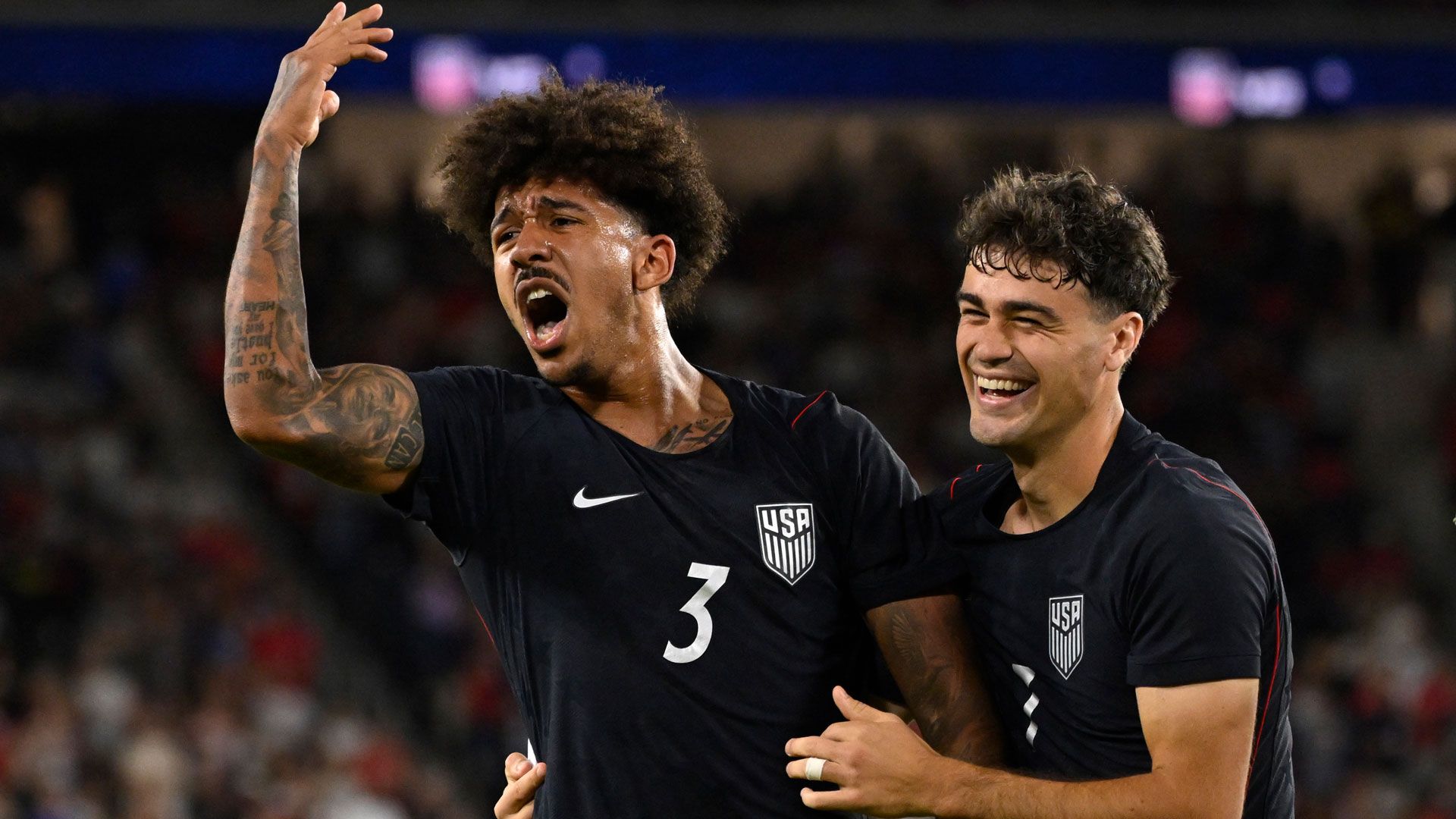
Stock Up 10 players
- Alex FreemanDefending and versatility
- Cavan SullivanCreativity and a record goal
- Julian HallMovement and three goals
- Justin EllisTwo goals and striker depth
- Sebastian BerhalterTwo goals and two assists
- Gio ReynaFour starts and creative influence
- Malik TillmanTwo goals and attacking connections
- Antonee RobinsonA return toward his best
- Diego KochenUpside and a Mexico clean sheet
- Brian SchwakeComposure and a crucial save
Stock Down 2 players
Tactical question: Yunus Musah on the right wing
Stock Up: The Standout Performers
Alex Freeman
Freeman was the most impressive player of the window when considering his performance, versatility and the quality of his individual assignments.
After breaking through during the World Cup, the 22-year-old has continued to develop his game at Villarreal. This window provided another opportunity to demonstrate how effective he can be in different defensive roles.
His one-on-one defending was outstanding. Against Canada, he absolutely owned Jacob Shaffelburg, consistently getting the better of the speedy winger and preventing him from creating meaningful danger down the American right side.
Freeman's combination of size, strength and speed makes him an unusually difficult defender to beat. He can match most wingers physically without sacrificing the mobility needed to defend in space.
What stood out most against Canada was his more disciplined attacking approach. Rather than constantly pushing forward like an attacking wingback, Freeman operated as a relatively traditional right back, choosing his moments to overlap and join the attack.
He picked the right moment in the 29th minute, getting forward to receive the ball on the right and delivering an excellent shot/cross for Justin Ellis to score the game's only goal.
Freeman has already demonstrated that he can contribute as an attacking wingback, a conventional fullback and even a center back when necessary. This window reinforced that he is becoming a complete defender rather than simply an exceptional athlete.
He should be a leading candidate to own the right back/right centerback position moving toward 2030.
Cavan Sullivan
The most anticipated young player in the American pool certainly didn't disappoint.
Sullivan came into camp having finally begun to fulfill his enormous potential at Philadelphia, where he has developed into one of the most dangerous attacking players in MLS over the past couple of months.
The question was whether a 17-year-old could immediately translate that success to the international level.
For the most part, he looked right at home.
While he didn’t have one spectacular breakthrough performance, Sullivan showed the same quick feet, creativity and willingness to attack defenders that have made him such an exciting prospect. He was comfortable receiving in tight spaces, combining with teammates and attempting difficult passes rather than simply playing conservatively to avoid mistakes.
He flashed his immense talent on several occasions, with a run beating several defenders down the sideline against Chile, a crafty outside the foot pass to play Julian Hall behind the defense against Mexico and of course the goal to cap it all off.
His defining moment came on that goal against Mexico, when he expended the effort to quickly press all the way back to the keeper, then pounced on a poor pass from Raúl Rangel and immediately executed a class chipped ball into the empty net from well outside the penalty area.
The goal made Sullivan the youngest scorer in USMNT history, breaking a record that teammate Mathis Albert had established only days earlier against Chile.
As impressive as the finish was, the more encouraging development was that Sullivan didn't look overwhelmed by the speed or physicality of international soccer.
There is still plenty of development ahead of him. He can be overly aggressive with the ball, and he will need to become more consistent in his defensive positioning and decision-making.
But Sullivan has advanced beyond being simply an exciting youth prospect. He has become a legitimate candidate to contribute to the senior national team right now.
Whether he should be starting in meaningful games with a fully stocked roster still remains to be seen.
Julian Hall
Hall might have done more to improve his standing than anyone else in the player pool.
The 18-year-old New York Red Bulls striker scored in each of his first three appearances, becoming just the third American to accomplish that feat.
The scoring production was impressive, but what really stood out was his movement.
Hall has excellent instincts for recognizing where space is developing and making runs to exploit it. He doesn't always need to outmuscle or outrun a defender because he is often moving into the right position before the defender recognizes the danger.
Against Peru, he made an excellent run toward the back post to finish a Sebastian Berhalter cross. Later in that game, he received the ball on the left and laid it back into space for Berhalter to score the fourth goal.
Against Chile, he showed another aspect of his attacking intelligence. On the opening American goal, Hall recognized Berhalter arriving behind him and cleverly allowed Dest's cross to run past him, leaving Berhalter an open shooting opportunity.
He later scored himself with a well-timed run and header from Gio Reyna's cross.
Hall continued making dangerous runs against Mexico and, even when he wasn't getting many touches, kept himself in positions to capitalize on mistakes. That's exactly what happened when he pounced on a rebound from a Reyna cross to open the scoring.
He also made an immediate impact after replacing Ellis at halftime against Canada, providing an outlet and making intelligent runs behind the defense.
Hall isn't yet as physically imposing as Folarin Balogun or as seasoned as Ricardo Pepi, but his instincts around the penalty area are exceptional for a player his age.
Three goals in three games is almost certainly an unsustainable scoring rate. The movement that produced those opportunities is much more encouraging.
Justin Ellis
Hall wasn't the only young striker who made a compelling case for future opportunities.
The 19-year-old Ellis scored twice during the window, opening his international career with a goal just four minutes into the Peru game and then delivering the winner against Canada.
The Canada goal was particularly impressive because it came after Ellis had suffered a painful knock in a collision with Stephen Eustáquio. He returned to the field visibly uncomfortable but continued to find dangerous positions before being forced out at halftime.
When Freeman delivered his cross from the right side, Ellis made the correct run into the box to get on the end and deflect in the shot/cross that might have gone wide otherwise.
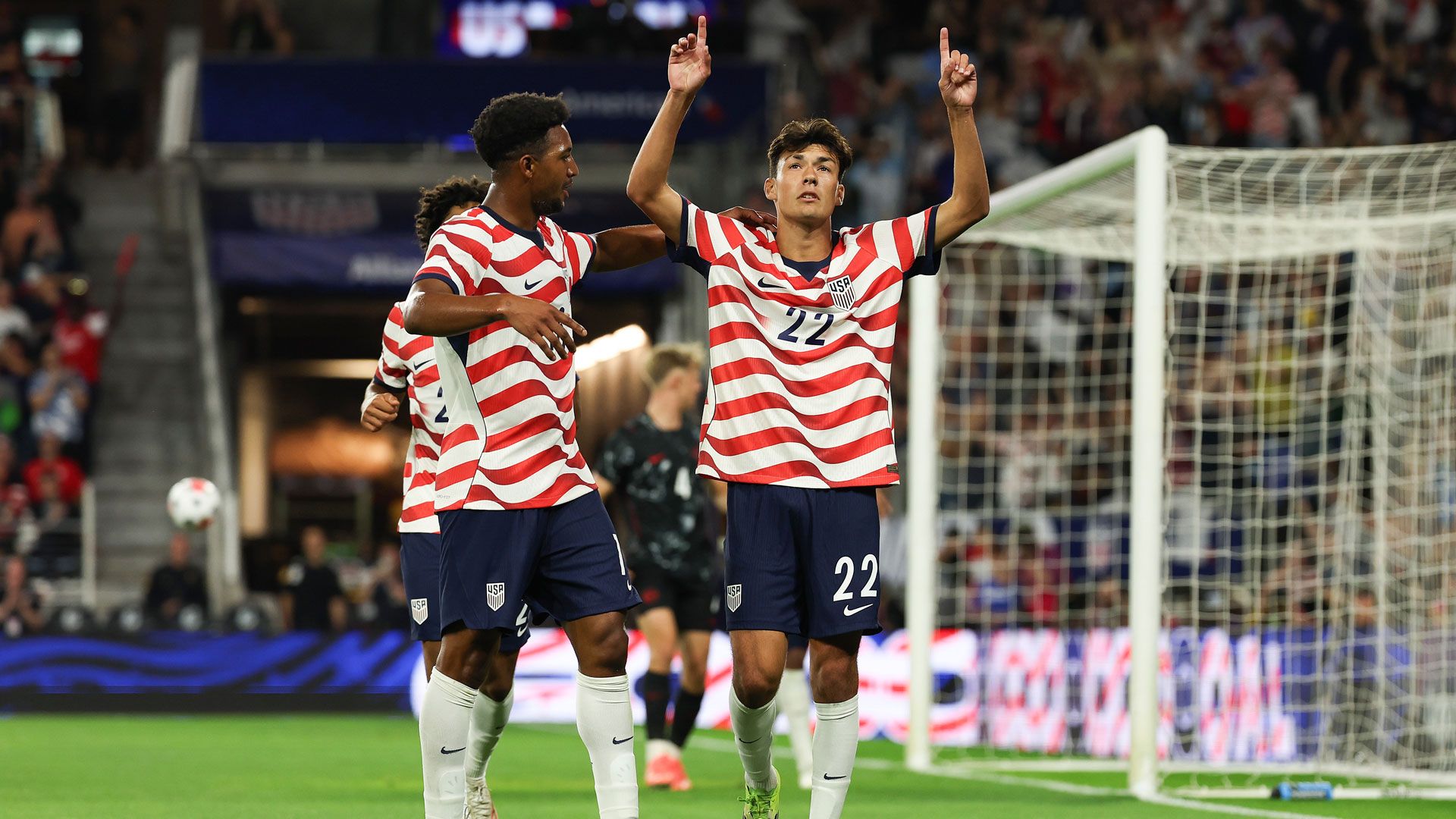
Like Hall, Ellis demonstrated good movement and an understanding of where he needed to be to finish attacking sequences. He also showed an ability to occupy defenders and provide a target for teammates rather than simply waiting for chances to arrive.
With Balogun and Pepi established ahead of them, neither Ellis nor Hall should suddenly be considered a favorite to start. However, both demonstrated that the US may have considerably more depth at striker than it possessed during the previous cycle.
Sebastian Berhalter
Berhalter continued to make himself difficult to leave out of the lineup, contributing two goals and two assists across the first three games.
His passing and crossing were particularly impressive. He repeatedly found dangerous balls into the box during open play, including the delivery for Hall's first international goal against Peru.
His set-piece service was excellent as well, most notably on the corner that Richards headed home for the winning goal against Chile.
Berhalter also showed a good ability to recognize space around the penalty area and arrive in scoring positions, as he did on both of his goals.
However, I still have questions about his defensive ability. He works hard and covers plenty of ground, but there is a difference between being an aggressive and energetic defender and consistently making the right decisions when protecting the back line.
I remain unconvinced that his best position is as a holding or defensive midfielder, particularly against opponents with the technical quality to exploit space behind the initial pressure.
Given his passing range, crossing ability and growing attacking production, he might ultimately be better suited to a more advanced midfield role, closer to what Weston McKennie or Gio Reyna provide than a Tyler Adams or Johnny Cardoso.
Regardless, Berhalter has become an increasingly useful player for Pochettino. His versatility and set-piece delivery give the coach several ways to incorporate him into the lineup.
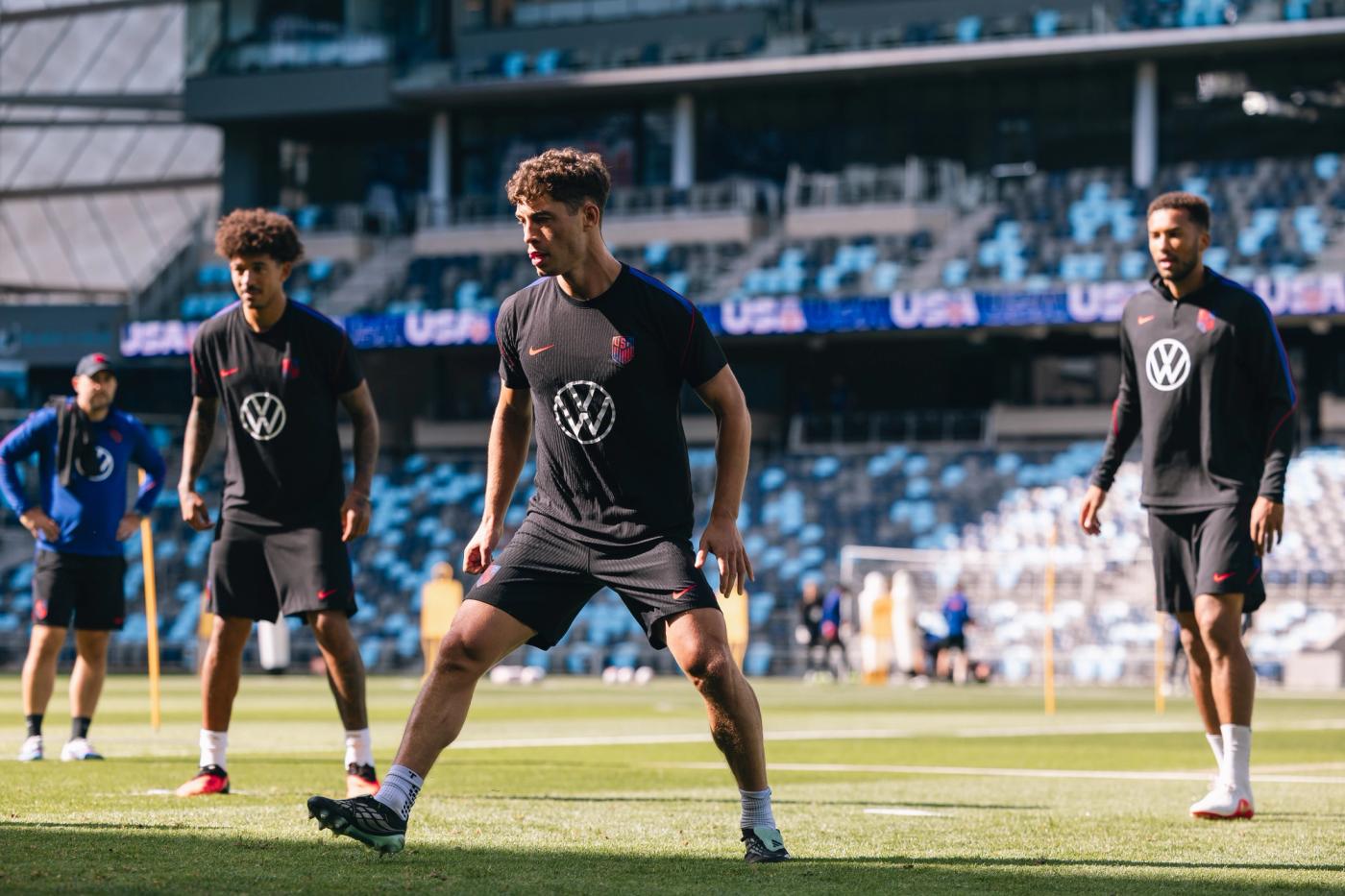
Gio Reyna
Perhaps the most encouraging development for Reyna was simply how normal everything looked. For years, his national-team appearances have been interrupted by injuries, limited club playing time and questions about whether he could ever consistently deliver on his enormous potential.
Now he is finally playing regular soccer for Strasbourg and carried that momentum directly into the national team, starting all four games during the window and consistently demonstrating the passing quality and vision that have always made him one of the most talented American players.
Against Peru and Chile, he generally played higher up the field, finding pockets of space between the midfield and defensive lines and creating dangerous opportunities with quick combinations and penetrating passes.
He assisted the opening goal against Peru and delivered the cross for Hall's equalizer against Chile.
Against Mexico and Canada, Reyna demonstrated that he can also influence games from deeper positions.
As opponents applied pressure and made buildup more difficult, Reyna dropped farther into midfield to receive the ball and help the US advance possession. His composure and ability to recognize passing angles gave the Americans another way to escape pressure without resorting to hopeful long balls. Canada resorted to fouling him nearly every time he touched the ball.
The most interesting tactical development may be how effectively he can coexist with Malik Tillman. Both are comfortable playing between the lines, but each can also move deeper or wider to create space for the other.
For once, the conversation about Reyna isn't primarily about whether he's healthy enough to play or why he's sitting on the bench.
It's about what role he should have in the team.
That's a welcome change.
Malik Tillman
Tillman picked up where he left off after his excellent World Cup, contributing two more goals while continuing to look increasingly comfortable as a central figure in the American attack.
He scored from the penalty spot against Peru and added the final goal against Mexico, but his overall contributions extended beyond those moments.
Tillman consistently connected the midfield and attack, using his touch and awareness to move possession into dangerous areas. He showed a good understanding with Reyna and generally made intelligent decisions about when to receive deeper and when to push forward.
Perhaps the most encouraging development is that Tillman no longer needs a goal or assist to have a positive influence on a game.
Earlier in his international career, he would sometimes disappear for long stretches despite producing excellent numbers at club level.
Now he looks much more comfortable influencing games through his positioning, passing and movement. The goal against Mexico was a perfect example, where he was alert to a poor decision by the Mexican defender and simply out-hustled him to the ball before blasting a first-time left-footed finish past the keeper.
He was one of the breakout players of the World Cup and continues to establish himself as a cornerstone of the team moving toward 2030, despite some spotty club performance.
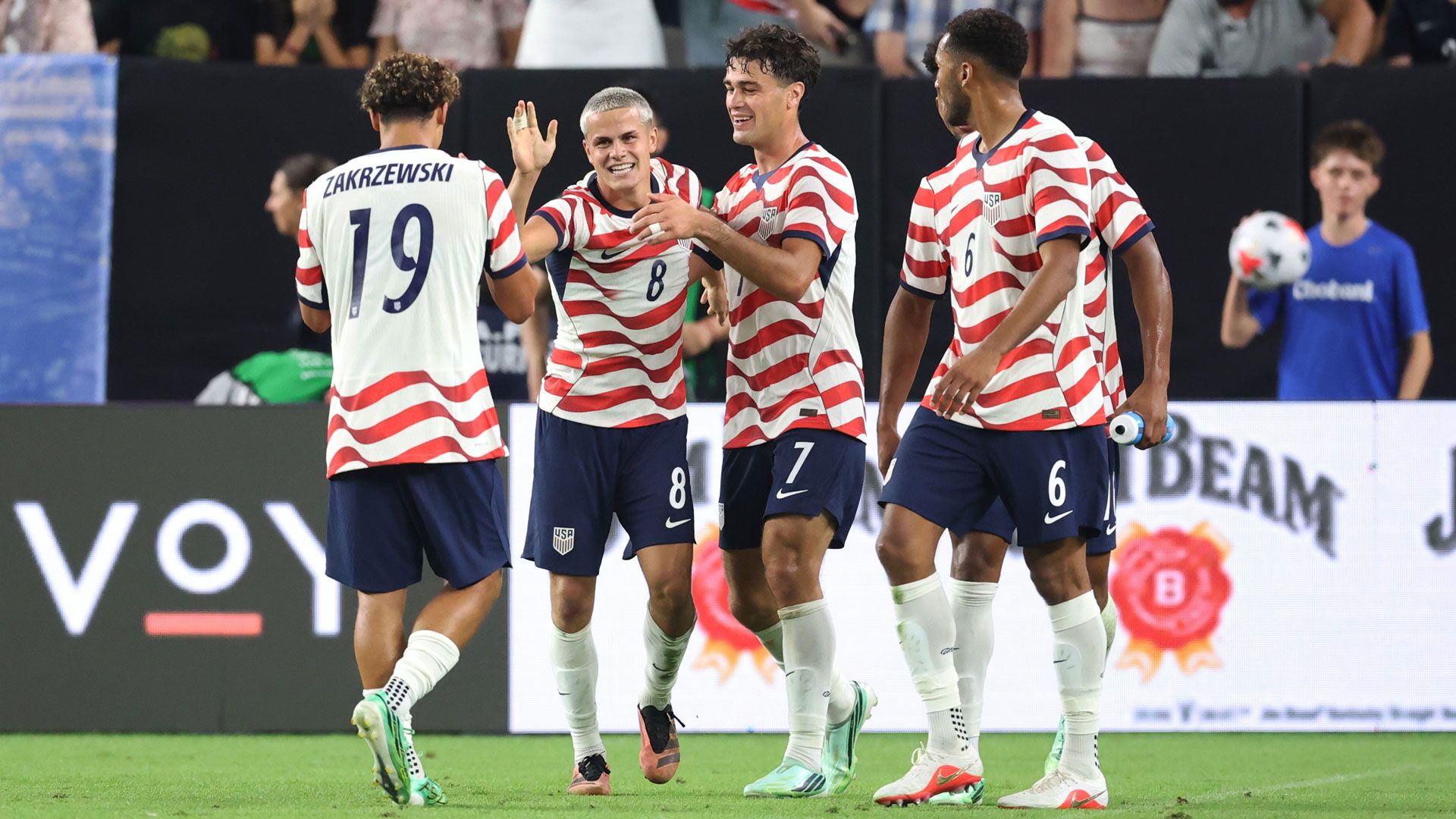
Antonee Robinson
After a difficult opening stretch to his club season, Robinson looked much closer to his best during this window. His passing and movement down the left side were excellent, particularly when combining with Reyna and other attacking players to advance the ball through pressure.
He consistently recognized when to overlap, when to remain deeper and when to look for more ambitious passes into the attacking third.
There were still occasional defensive mistakes, so it would be premature to declare that Jedi has completely rediscovered his peak form. But his ability to provide width, athleticism and increasingly effective passing from left back remains an enormous asset.
A healthy and confident Robinson should remain an important part of the American team for years to come.
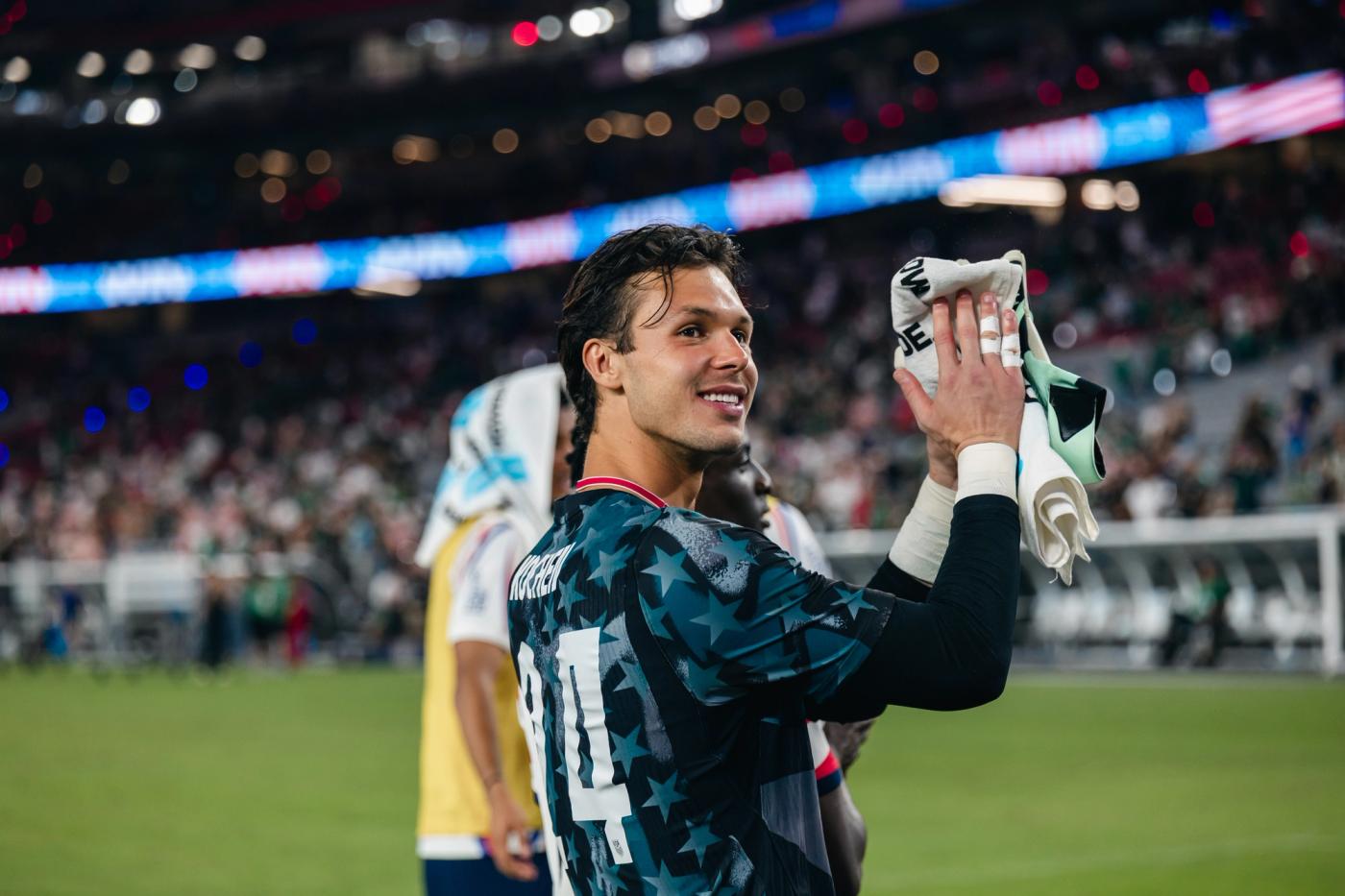
Diego Kochen and Brian Schwake
The goalkeeper position remains one of the biggest uncertainties in the American player pool, but this window introduced two intriguing candidates.
Kochen demonstrated both his substantial upside and the areas where he still needs experience. His performance against Mexico began somewhat nervously, with a few risky decisions in possession and moments where his distribution invited unnecessary pressure.
However, he settled into the match, looked increasingly comfortable with the ball at his feet and made the saves required to preserve the clean sheet.
He didn't commit any costly mistakes, and his ability to participate in buildup could eventually make him particularly valuable in Pochettino's system.
Schwake may have produced the more complete performance.
He wasn't tested constantly against Canada, but he looked composed commanding his penalty area, handled his distribution well and made an outstanding reaction save in the second half, tipping a dangerous effort from Luc de Fougerolles onto the crossbar.
It was the sort of save that can preserve a narrow victory in a game where the opponent is applying sustained pressure.
Neither goalkeeper has established himself as the answer for 2030. Kochen still needs substantial senior experience, and Schwake needs to demonstrate that this performance was not a one-off.
But both should remain firmly in the conversation.
Stock Down: Brady and Miles Robinson
Not everyone took advantage of the opportunity.
Chris Brady had a disappointing performance against Chile, showing some of the indecision that has been a recurring concern in his development.
In the 31st minute, Brady hesitated about coming out to clear a ball that appeared well within his reach. He eventually retreated toward his goal and was forced to make a good save to cover the mistake.
The first Chile goal was even more concerning. Brady failed to take control of a scramble inside his six-yard box, making multiple unsuccessful attempts to clear the ball before Diego Ulloa eventually scored. Brady did make several good saves, but his decision-making and command of the penalty area were not convincing.
The goalkeeper competition is wide open, and Brady has plenty of time to improve. However, Kochen and Schwake did more to strengthen their positions during this camp.
Miles Robinson was another veteran who failed to distinguish himself. He was supposed to provide stability to a very young defensive group against Chile, but he struggled with some of his touches and decisions in possession.
The American back line was noticeably more comfortable after Richards and Trusty entered in the second half.
Robinson has been a dependable national-team contributor for years, but with younger players such as George Campbell and Neil Pierre beginning to emerge, his place in the pool looks less secure.
The Musah Experiment Still Doesn't Make Sense to Me
One tactical decision I continue to struggle with is Pochettino's fascination with playing Yunus Musah on the right wing.
Musah has been enjoying an encouraging start to his club season at AC Milan, where he has played some of his best soccer in a central midfield role.
His strengths are well established. He is excellent at covering ground, carrying the ball through pressure and recovering possession in midfield. More recently, he has demonstrated improvement in his positioning, passing and ability to quickly move possession forward after winning the ball.
Those are all qualities best utilized in the center of the field.
I can understand the appeal of using Musah on the right. His athleticism allows him to defend aggressively, cover for an attacking fullback and carry the ball forward after recovering possession.
But he isn't a natural winger. He doesn't consistently create danger through crossing, beating a fullback in the attacking third or making runs into scoring positions. Playing him wide also reduces the opportunities to use the midfield qualities that have been improving at Milan.
Pochettino clearly sees something in the experiment, but I still don't see the payoff.
This is especially questionable with the emergence of Sullivan and other young attackers who are much more naturally suited to those wide positions.
Musah should be competing for a place in the midfield rather than continuing to audition as a right winger.
More Competition Is Exactly What This Team Needed
The most significant development from these four matches is how much deeper the American player pool suddenly appears.
Coming out of the World Cup, the national team had a fairly established group of starters and reserves. Many of the same players had occupied those positions for several years, and there weren't always compelling alternatives when someone was injured or struggling for form.
Pochettino has now introduced several players who have legitimate arguments for greater responsibility.
In addition to the players discussed above, there were also promising contributions from Mathis Albert, George Campbell, Frankie Westfield and several other newcomers who didn't receive as much attention.
The challenge now is fitting all these players together when the established stars return.
Christian Pulisic, Weston McKennie, Folarin Balogun and other key veterans aren't suddenly going to lose their places because a group of teenagers performed well in September and October friendlies.
The US still needs its best players at the top of their games if it hopes to compete against the world's elite teams. The painful loss to Belgium was another reminder that beating CONCACAF opponents doesn't necessarily translate into success against the strongest European and South American nations.
But nobody should be guaranteed a place simply because they started at the last World Cup or play for a recognizable European club. Pochettino made accountability and competition central parts of his approach during the previous cycle, and this window demonstrated that he intends to continue down that path.
The next major challenge will be deciding which of these young players have earned continued opportunities when the roster returns to a more normal size and the games begin to carry greater consequences.
The November Nations League matches should provide the first opportunity to begin answering those questions.
Four friendly wins don't prove that the US has taken another step toward becoming an elite international team. Even the impressive victory over Mexico comes with the qualification that the opponent contributed heavily to its own downfall.
But this window accomplished almost everything Pochettino could have hoped for.
The next four years will determine how many of these young prospects develop into players capable of elevating the team beyond its previous limitations.
For now, it's an encouraging start.