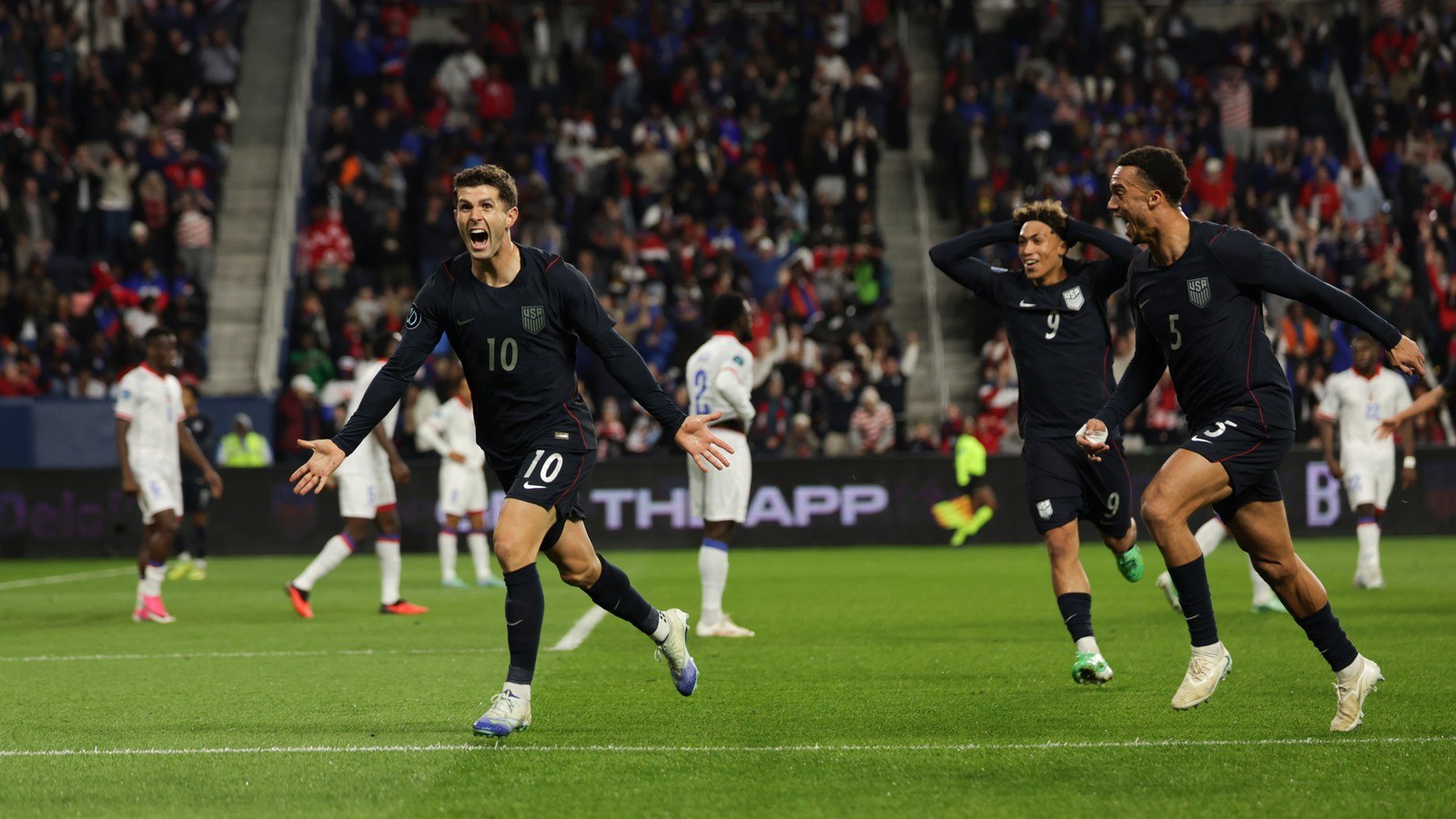
The US men closed out the Mauricio Pochettino era this week with a pair of convincing wins over Haiti, cruising into the CONCACAF Nations League semifinals with an 8-0 aggregate victory. The Americans dominated the “away” leg 6-0 in Miami on Saturday, then finished the job with a 2-0 win Tuesday night in Cincinnati.
It was a fitting conclusion to a fairly successful tenure for Pochettino, who will now depart for Manchester United just three months after signing a contract extension through the 2030 World Cup.
There wasn't a whole lot to learn from these two matches against a clearly overmatched Haiti team. The talent disparity was substantial, and the fact that Haiti's nominal home game was played in Miami eliminated one of the usual challenges of playing on the road in CONCACAF.
Still, the team did what they were supposed to do, winning comfortably without conceding a goal. Several young players continued to make their cases for larger roles in this World Cup cycle, while a couple of established stars reminded everyone why they remain important.
Two Comfortable Wins, Few Surprises
Pochettino fielded a relatively strong lineup for the opening match, with Christian Pulisic, Weston McKennie, Tyler Adams, Chris Richards and several other World Cup veterans starting alongside promising youngsters Julian Hall and Diego Kochen.
The US wasted little time taking control. Auston Trusty opened the scoring in the 10th minute, getting onto a Sebastian Berhalter free kick for a well-placed volley. Haiti managed to keep the score at 1-0 through halftime, but the Americans increasingly found space as the match progressed.
The second half turned into a rout.
Hall doubled the lead in the 52nd minute, finishing a quick counterattack after Pulisic released Antonee Robinson down the left wing. Pulisic then scored twice in less than two minutes, converting a penalty that he drew, before adding an excellent left-footed strike from outside the box.
McKennie headed home a Malik Tillman corner, and Folarin Balogun completed the scoring after coming off the bench.
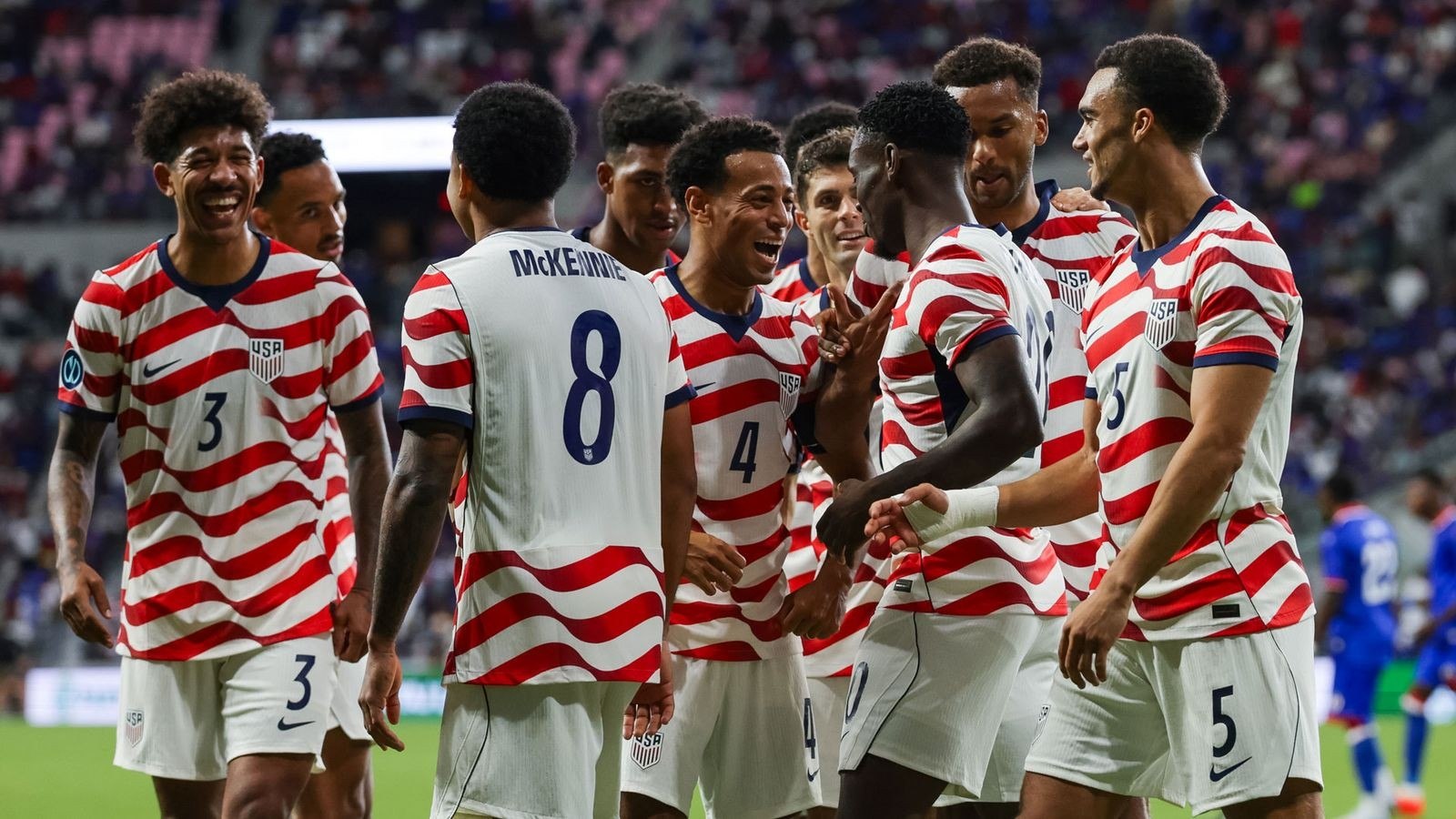
The second game was slightly more competitive, with Haiti pressing more aggressively and generating a few dangerous moments. However, the US still controlled most of the action and effectively settled the contest before halftime.
Pulisic produced the highlight of the window in the 25th minute, finishing a McKennie cross with a spectacular bicycle kick. Hall added another impressive goal just before halftime, taking down a lofted McKennie pass between two defenders before using the outside of his right foot to beat the goalkeeper.
The Americans weren't quite as sharp in the second half, but with an eight-goal aggregate lead there was little reason to chase more goals.
The major takeaway is that the US now looks entirely comfortable imposing itself on weaker regional opponents. Pochettino's system encourages aggressive pressing, quick vertical passing and attackers making coordinated runs into space. Those principles were evident throughout the two games.
However, we've seen the Americans dominate weaker CONCACAF opposition before. The question remains whether they can reproduce that attacking success against the better defensive organizations and more technically accomplished players they will face in major international tournaments.
These two games didn't provide much evidence one way or the other.
Julian Hall Continues to Look Like the Real Deal
Perhaps the most encouraging development from the window was another impressive pair of performances from 18-year-old Julian Hall. The New York Red Bulls striker scored in both matches, bringing his international total to five goals in just six appearances. He also became the youngest player in USMNT history to reach five goals, surpassing the previous mark held by Christian Pulisic.
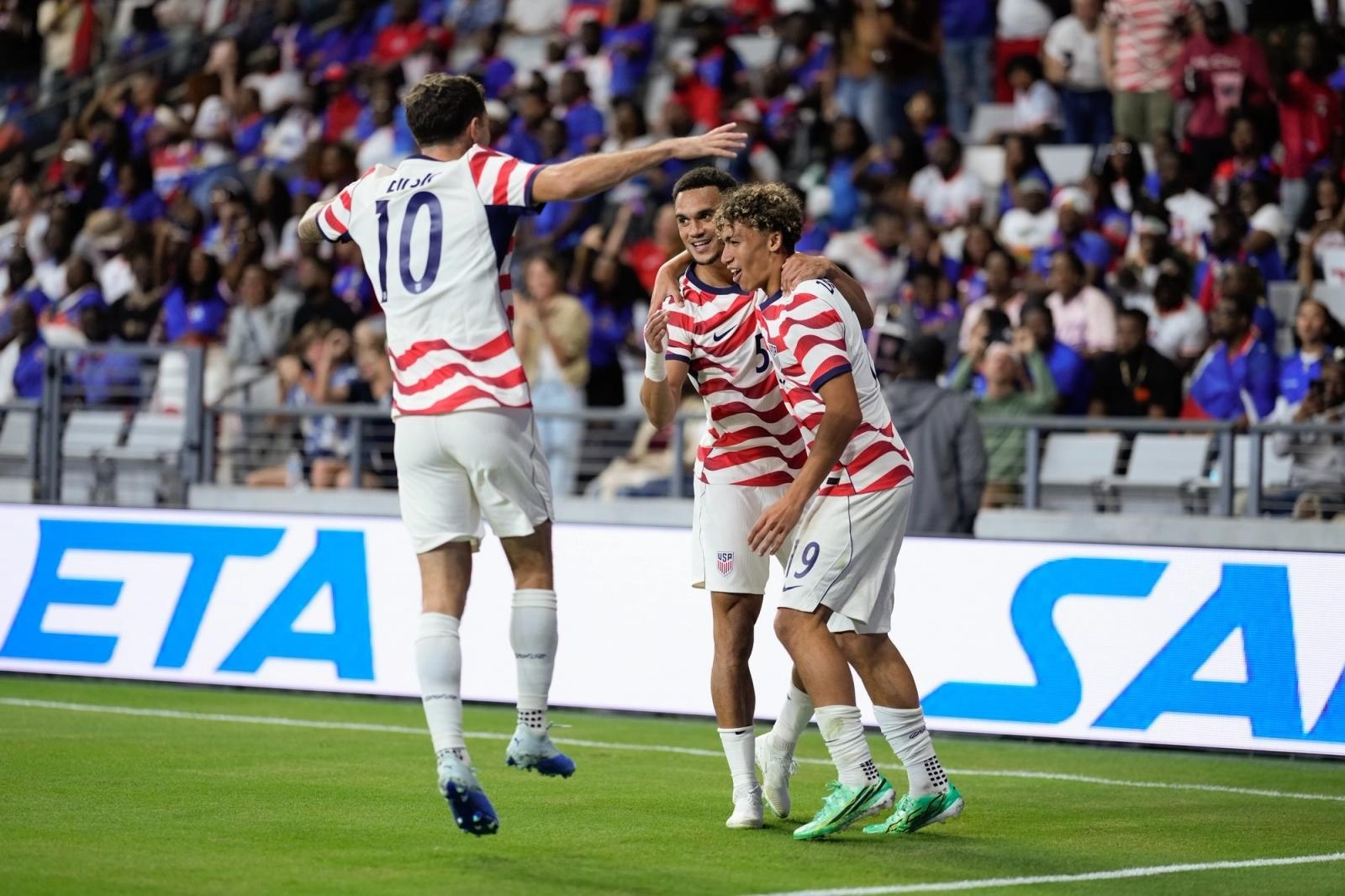
The two finishes against Haiti demonstrated different aspects of his game. The first was relatively straightforward, with Hall arriving centrally to meet Robinson's cross before taking a composed touch and finishing into the corner. It wasn't spectacular, but he recognized how the play was developing and made the correct run to put himself in scoring position.
His second goal was considerably more impressive. McKennie chipped a pass over the Haiti defense, and Hall timed his run perfectly between the center backs. He then showed excellent technique to control the ball, settle it with his chest and deftly finish around the advancing goalkeeper with the outside of his foot.
Hall's intelligent movement away from the ball may be his most encouraging quality. He consistently recognizes where space is opening and makes aggressive runs to exploit it, rather than simply waiting for a teammate to create a chance.
It was also significant that Pochettino trusted him to start both matches ahead of Balogun.
Balogun has been gradually rebuilding his minutes at Monaco after an injury-disrupted start to the club season, but he remains the clear first-choice striker for a meaningful game against top competition, and his goal off the bench Saturday was a positive sign.
However, Hall is quickly moving beyond the category of an interesting prospect who deserves occasional opportunities. His combination of movement and finishing has been impressive enough that he should enter the next coaching regime as a legitimate competitor for meaningful minutes.
Five goals in six games is a fantastic start, even allowing for the quality of the opposition.
The Veterans Deliver
Weston McKennie
McKennie hasn't enjoyed the best start to his club season with Juventus, but he delivered one of his better national-team performances in the second match.
He assisted both goals Tuesday, demonstrating the combination of movement and creativity that has made him so effective for the US over the years.
On Pulisic's opener, McKennie worked his way to the end line before lifting a clever ball back into the box, giving Pulisic the opportunity for his acrobatic finish.
The second assist was even better. McKennie recognized Hall's run between the defenders and played a perfectly weighted ball over the top, allowing the teenager to control it without breaking stride.
McKennie can be an inconsistent player, particularly when asked to control possession and dictate the tempo from midfield. However, he remains extremely effective when he's able to move into advanced positions, make aggressive runs and combine with the attackers.
These performances were a reminder of how valuable he can be when used in a role that takes advantage of those strengths.
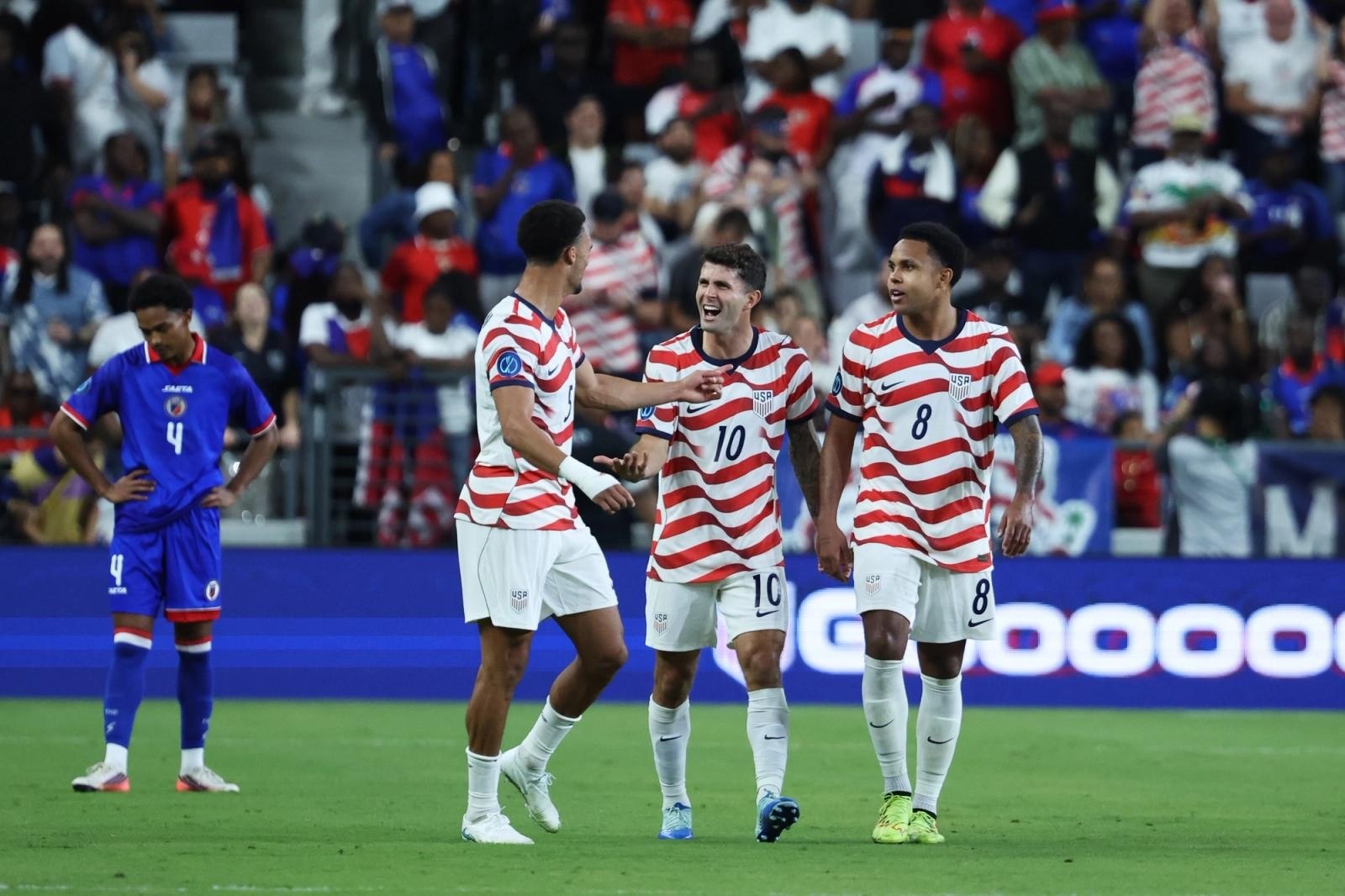
Christian Pulisic
Pulisic was probably the best player across the two games, scoring three goals and consistently looking a class above the opposition. His finishing deserved the headlines, particularly the bicycle kick Tuesday, but his larger influence on the attack was equally impressive.
He repeatedly found space between Haiti's midfield and defense, drove at defenders and created opportunities for teammates. Even when he wasn't directly involved in a goal, his movement and ability to beat the first defender forced Haiti to adjust its defensive positioning.
There simply aren't many players in CONCACAF capable of consistently handling Pulisic when he's playing this well. His performance also reinforced how much the US still relies on him to provide the creativity and individual quality needed to break down opponents.
The one disappointment was that we never got to see Pulisic and Cavan Sullivan on the field together. Sullivan didn't play in the opening match and replaced Pulisic after 65 minutes Tuesday. Given Sullivan's recent leg knock and Philadelphia's upcoming MLS playoff run, it was understandable to manage his minutes carefully.
Still, watching the two most naturally creative attackers in the American pool combine would have been one of the more intriguing experiments available in an otherwise uncompetitive series.
Hopefully, the next coach makes that a priority.
A Promising Window for Diego Kochen
Kochen was another encouraging performer, starting both games despite being only 20 years old and having considerably less senior professional experience than the other goalkeeping options in camp.
He made a couple of important saves in the limited opportunities Haiti created, including a strong stop on a breakaway in the first match.
His performances weren't perfect.
The biggest mistake came in Miami when he ventured too far off his line attempting to intercept a long ball, leaving the goal exposed. Haiti put the ball in the net, but the goal was eventually disallowed for offside.
It's the type of aggressive decision that young goalkeepers sometimes get wrong while learning when to leave their penalty area and when to trust the defenders in front of them.
Overall, though, Kochen handled the assignment well, showing good reactions and composure when called upon. Perhaps most significantly, Pochettino chose to start him in both games over more experienced options such as Matt Freese.
Goalkeeper remains one of the most unsettled positions in the US player pool, and Kochen is still a long way from establishing himself as the first-choice option. But getting meaningful international experience at this age is valuable, particularly for a player still trying to establish a regular senior club role.
A Missed Opportunity for More Rotation
If there was one disappointing aspect of the window, it was Pochettino's decision to use exactly the same starting lineup for both matches.
After winning the first game 6-0, the US had essentially guaranteed advancement. Even allowing for the occasional bizarre result in CONCACAF, there was almost no realistic possibility of Haiti overturning that deficit in Cincinnati.
That presented an excellent opportunity to give some of the younger players more substantial minutes.
Adri Mehmeti, Jack McGlynn, Mathis Albert and Santiago Castañeda were all players who could have benefited from larger roles. Mehmeti and Albert were limited to brief appearances in the first match, McGlynn never got onto the field and Castañeda received only 13 minutes in the second.
I would have liked to see Mehmeti get an extended opportunity in midfield, while McGlynn's passing ability could have offered a different dimension to the attack. Albert also remains one of the more intriguing young attacking prospects in the pool.
The six-goal advantage should have provided enough protection to experiment more aggressively, especially considering these were Pochettino's final matches and the next coach will be starting a fresh evaluation of the player pool.
At least the window accomplished something significant for the long-term future of the program.
Eight players became cap-tied to the United States: Cavan Sullivan, Julian Hall, Santiago Castañeda, Neil Pierre, Justin Ellis, Diego Kochen, Adri Mehmeti and Mathis Albert.
Several of those players have legitimate potential to contribute during the next World Cup cycle. Securing their international commitments was one of the more valuable outcomes of an otherwise predictable series.
The Pochettino Era Comes to an End
Pochettino leaves the USMNT with a 23-12-2 record and, on balance, a successful tenure.
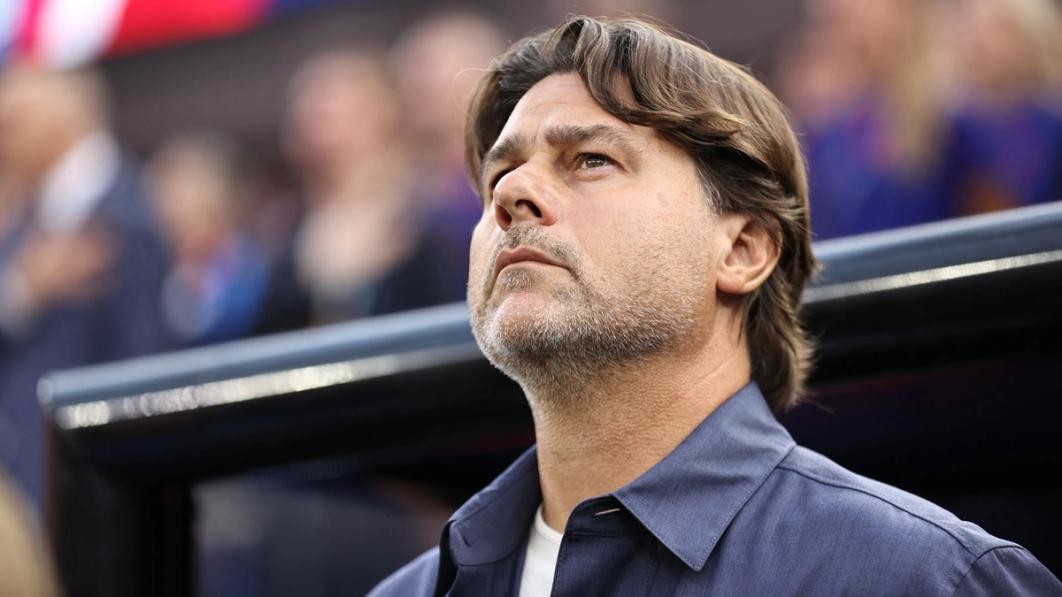
He largely met expectations, guiding the Americans through a strong 2026 World Cup campaign that included their first knockout victory since 2002. He also oversaw some of the best attacking soccer the US has played in recent memory.
Under Pochettino, the Americans developed a coherent, modern approach that emphasized pressing, quick attacking transitions and a willingness to commit numbers forward. His willingness to bring in younger players and challenge established veterans also helped identify several promising pieces for the future, most notably Alex Freeman.
However, his team ultimately failed to clear the hurdle that has frustrated American soccer for decades. The US still couldn't overcome one of Europe's elite teams when it mattered most, falling decisively to Belgium in the World Cup Round of 16.
Pochettino deserves some responsibility for that failure, but the World Cup also demonstrated that the limitations of the player pool remain a significant obstacle. A coach can improve the system, but he cannot turn good international players into elite ones simply through tactical adjustments.
One other positive is that Pochettino may have elevated the profile of the USMNT coaching position in the international community.
Of course, it's difficult to know whether that increased interest reflects the growing quality of American soccer or simply the enormous amount of money U.S. Soccer has demonstrated it is willing to spend on a manager.
Either way, the position should be attractive to established international coaches, and Pochettino leaves behind a team with a clear playing identity and several exciting young players pushing for larger roles.
What Comes Next?
The US will hold one more camp in December, featuring primarily MLS-based players under interim coach Steve Cherundolo, including a friendly against Jamaica. However, the next meaningful gathering of the full senior team won't come until March, when the Americans face Mexico in the CONCACAF Nations League semifinals.
That gives U.S. Soccer a reasonably comfortable window to conduct a thorough coaching search without rushing into a decision. The next coach inherits a team that has made tangible progress under Pochettino but still has substantial room to grow.
He will need to integrate the emerging generation without abandoning the tactical improvements that have made the team more dangerous, while finding ways to get more out of the established core against elite competition.
The two wins over Haiti were a pleasant ending to the Pochettino era, but they didn't change our understanding of where the US stands in the international hierarchy.
The real opportunity now is to build on what Pochettino accomplished and find a coach capable of pushing this group beyond the ceiling it reached in 2026.