The second round of the Champions League produced a record-breaking 78 goals across 18 games, with several remarkable individual performances and a few results that may tell us something about the balance of power in European soccer.
Paris Saint-Germain delivered the most impressive first half of the round, overwhelming Manchester City before surviving a furious second-half response. Real Madrid pulled off another of its seemingly impossible European comebacks, scoring three times in the final eight minutes to escape Roma with a victory it hardly deserved for most of the night.
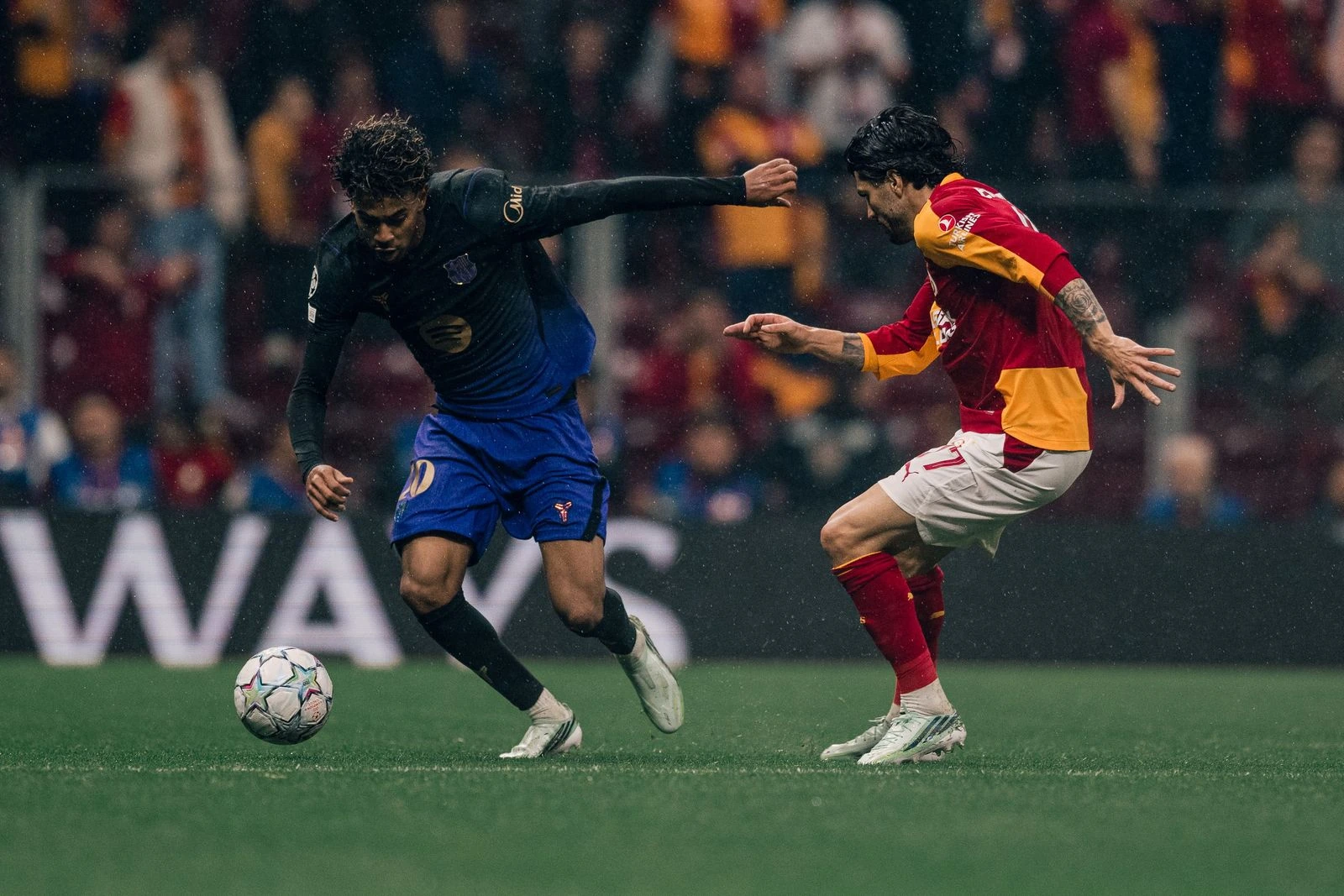
Barcelona continued its ridiculous start to the season, recovering from an early deficit in Istanbul to demolish Galatasaray 4-1. Atlético Madrid controlled Manchester United in a comfortable 2-0 victory, with American Johnny Cardoso playing an important role in the midfield.
Elsewhere, Liverpool scored six against LASK, Aston Villa put six past Fenerbahçe, Club Brugge stunned Inter Milan and Bodø/Glimt took down Borussia Dortmund.
There were two hat tricks and plenty of worthy candidates for the Team of the Round, but Lamine Yamal takes Player of the Round honors after almost single-handedly turning Barcelona's match around in three extraordinary minutes.
Spotlight Games
Manchester City 2-4 Paris Saint-Germain
Goals: Doué 13', Dembélé 15', Vitinha 32', Haaland 53', Akliouche 62', Haaland 75'
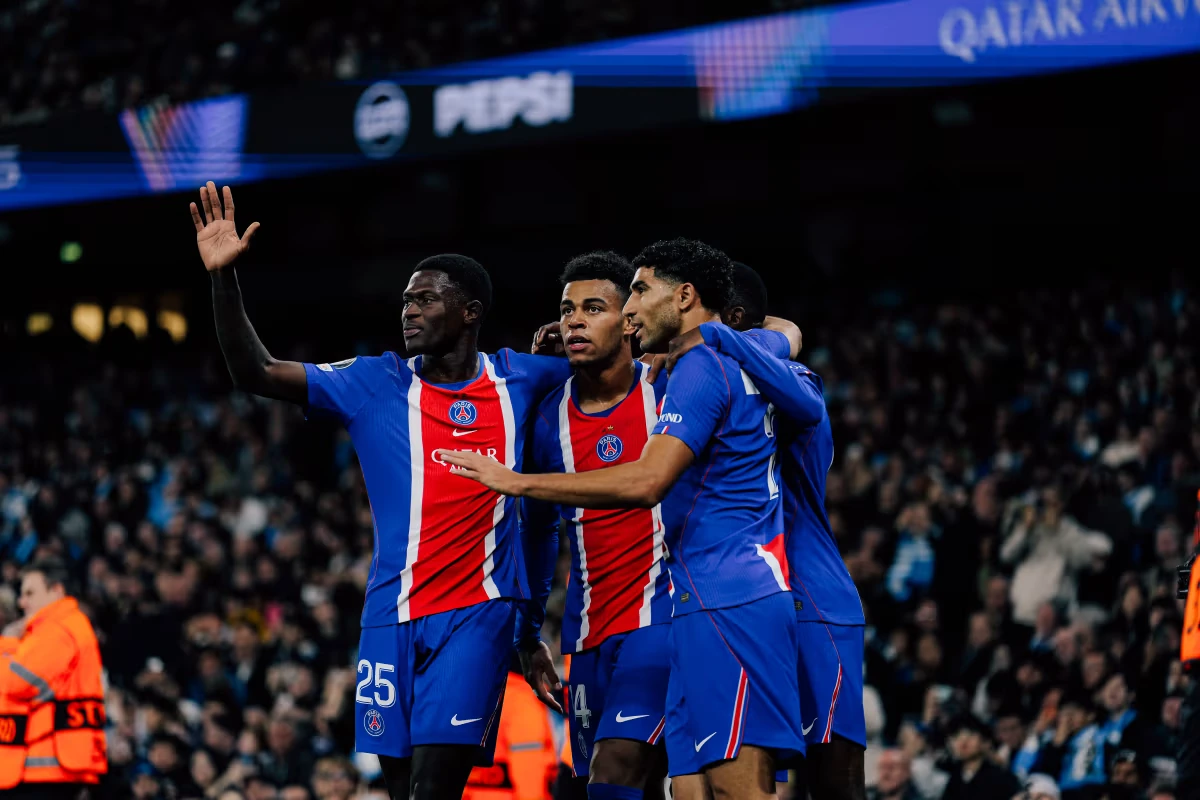
PSG delivered arguably the most impressive 35 minutes of soccer anyone has played in Europe this season, racing to a 3-0 lead against Manchester City at the Etihad. By halftime, the defending European champions looked capable of running up an embarrassing score against one of their supposed primary challengers.
Then the game completely changed.
The first half demonstrated the enormous difference between two teams trying to play similarly aggressive, possession-oriented soccer, but operating at very different levels of cohesion.
City initially attempted to press PSG high up the field, but the visitors repeatedly found ways through the pressure. Vitinha was outstanding in midfield, providing the outlet that allowed PSG to escape City's first defensive line and quickly release its attackers into space.
The opening goal came from exactly that type of sequence. PSG played through the initial pressure and found Désiré Doué attacking an unsettled City defense. Doué drove inside from the left and finished past Gianluigi Donnarumma.
Only two minutes later, PSG doubled its lead. Doué turned provider, finding Ousmane Dembélé arriving at the back post for a header.
Marc Guéhi had a particularly difficult opening half. His positioning and awareness defending the back post were poor on two of PSG's scoring sequences, including Dembélé's goal. PSG repeatedly moved the ball quickly enough to get City's defenders turned toward their own goal, and Guéhi struggled to recognize the danger developing behind him.
Vitinha added the third in the 32nd minute after another excellent passing combination, with Warren Zaïre-Emery providing the final touch into his path.
Donnarumma didn't help matters.
The Italian goalkeeper, facing his former team, had a shocking afternoon by his standards. He looked uncertain on several of PSG's attacks and probably should have done better with the opening goal. His worst moment came in the second half, when Maghnes Akliouche hit a shot that Donnarumma initially appeared to stop, only for the ball to pop up in the air and drop into the goal behind him.
Ironically, he ended the afternoon by saving a late Ferran Torres penalty, but that hardly erased what preceded it.
To City's credit, the second half was almost a completely different game.
Enzo Maresca made three substitutions at halftime, introducing Matheus Nunes, Ayyoub Bouaddi and Iliman Ndiaye. The changes immediately gave City greater control in midfield and more dangerous movement around PSG's penalty area.
Bouaddi in particular helped City establish possession farther forward, while Ndiaye provided another direct attacking option and delivered the cross for Haaland's first goal in the 53rd minute.
Even after Akliouche restored PSG's three-goal cushion, City continued to attack.
Haaland scored again in the 75th minute and nearly completed a hat trick. Enzo Fernández struck the woodwork, Haaland hit the crossbar himself, and Nuno Mendes was forced into a remarkable goal-line clearance. Matvey Safonov also made several important saves as City peppered the PSG goal.
For much of the second half, City was clearly the better team.
There is an argument that PSG's enormous lead changed the game, allowing City to attack with more freedom while the visitors became less aggressive. That is certainly part of the explanation, but it doesn't account for everything. City's substitutions improved its midfield balance, its pressing became more effective and it began winning the individual duels that PSG had dominated before halftime.
The result is therefore a little misleading in both directions.
PSG was vastly superior early, and its first-half performance was an outstanding demonstration of why it has become the standard against which Europe's other elite teams should be measured.
But City also demonstrated it has the talent to cause PSG serious problems when its structure is functioning properly.
The major concern for Maresca is that it required falling three goals behind to find the right combination. Against PSG, that is usually too late.
Galatasaray 1-4 Barcelona
Goals: Batrakov 28', Cancelo 43', Fermín López 50', Anthony Gordon 53', Adeyemi 65'
Barcelona's outrageous start to the season continued in Istanbul, although for about 40 minutes Galatasaray looked capable of causing the Spanish champions their first serious disappointment.
Barcelona entered the match without Raphinha, who has arguably been Europe's best player through the opening months of the season. His absence would be a considerable problem for almost any other team.
Apparently not for this one.
Hansi Flick started Dani Olmo as a false nine, with Fermín López operating in an advanced midfield role and Anthony Gordon providing width on the left. Rather than relying on a traditional center forward, Barcelona continued to move its attackers between positions and use the creativity of Pedri and Yamal to penetrate the defense.
Barcelona had most of the possession from the beginning, but Galatasaray was dangerous whenever it could break through the visitors' high defensive line.
The Turkish side took the lead in the 28th minute when Rafael Leão helped launch a quick counterattack that ended with Aleksey Batrakov scoring. Galatasaray even had a second goal overturned for offside, a warning that Barcelona's aggressive approach can still leave it vulnerable when possession changes.
That is the tradeoff Flick has been willing to accept. Barcelona commits numbers forward, presses aggressively after losing possession and often leaves its defenders in difficult individual situations.
The difference is that Barcelona's attack has become so productive that those occasional mistakes rarely prove decisive.
João Cancelo equalized shortly before halftime, arriving in the penalty area to finish a chance created by Olmo.
The game was still competitive at 1-1. Then Yamal took over.
In the 50th minute, the teenager delivered an exquisite curling cross from the right wing that found Fermín making a perfectly timed run into the box for a header.
Three minutes later, Yamal attacked Eren Elmalı directly, worked his way into the penalty area and, after a fortunate bounce, recovered the ball and found Gordon for Barcelona's third.
Two assists in three minutes. A close game was suddenly over.
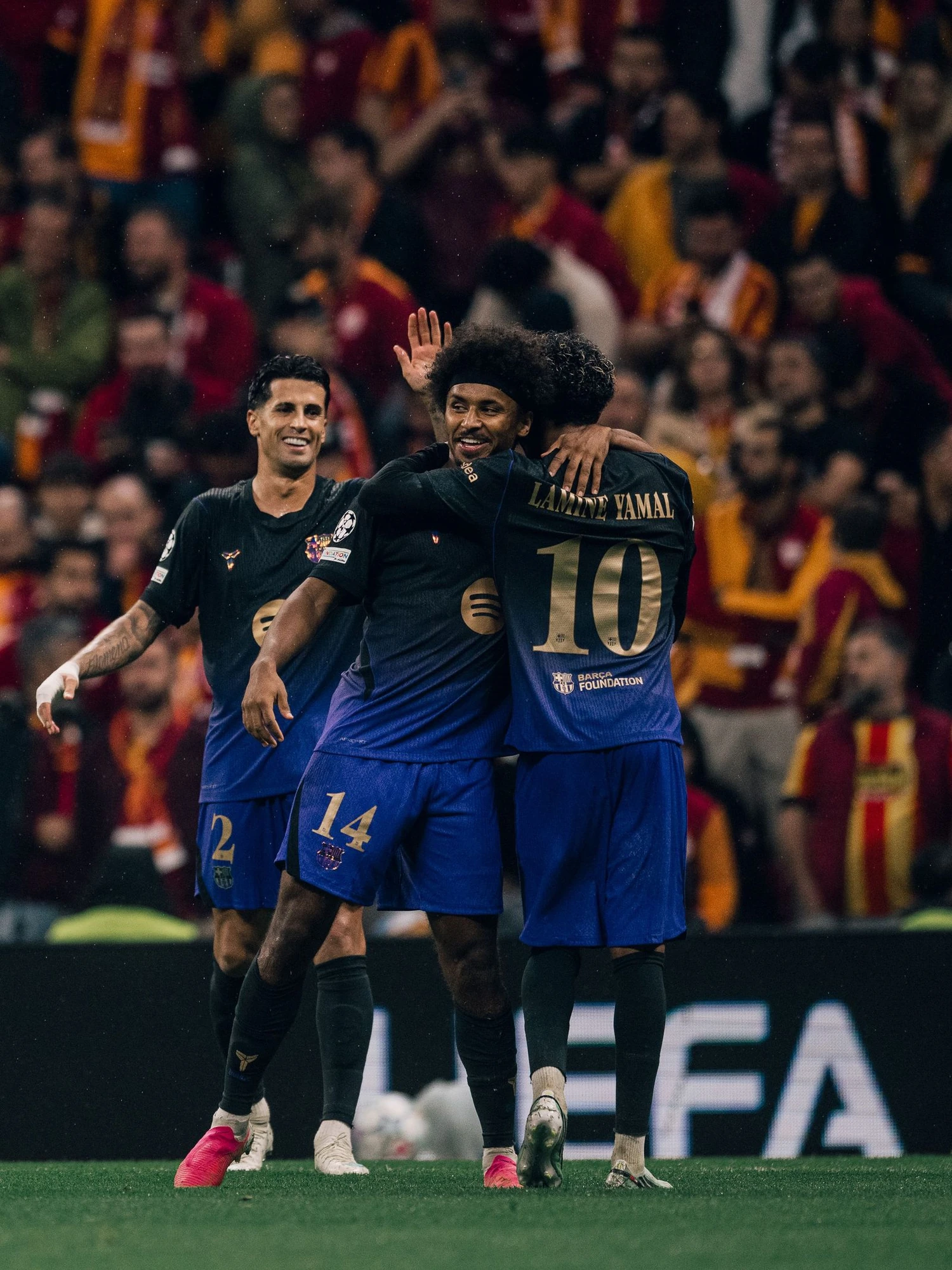
The first assist demonstrated Yamal's exceptional passing ability and recognition of movement. The second was an example of his ability to create danger even when his initial dribble doesn't work out perfectly. He stays balanced, recognizes where the ball is going and has the composure to find a teammate rather than simply forcing a shot.
Karim Adeyemi came off the bench and added Barcelona's fourth in the 65th minute, completing another demolition.
There are two larger developments worth emphasizing.
First, Barcelona has now won all ten competitive matches this season, scoring 43 goals in the process. Nine of those goals have come in just two Champions League matches.
Second, the summer concern about Barcelona lacking a traditional striker looks increasingly misplaced.
Flick is demonstrating that the combination of intelligent movement, creative passing and multiple players capable of finishing can be even more difficult to defend than a conventional attack built around a central striker.
The false nine movement pulls defenders out of position, Fermín attacks the spaces they leave, and the wide players can either stay outside or move into scoring positions.
All of that becomes more dangerous when Yamal is on the right demanding additional defensive attention.
Even without Raphinha, Barcelona looks like a scoring machine.
Atlético Madrid 2-0 Manchester United
Goals: Barrios 1', Lookman 79'
Johnny Cardoso continued his impressive resurgence with another strong performance as Atlético Madrid thoroughly controlled Manchester United at the Metropolitano.
The match couldn't have started much worse for United.
Pablo Barrios scored after only 53 seconds, immediately putting Michael Carrick's team in the uncomfortable position of chasing a game against an Atlético side that appeared considerably more organized.
What was surprising was how Atlético chose to manage that advantage.
Diego Simeone's teams have traditionally been associated with disciplined defending and counterattacking, but this was a far more possession-oriented performance. Atlético finished with 58 percent of the ball and controlled much of the midfield battle.
Barrios and Álex Baena were particularly effective finding space between United's defensive lines, while Cardoso helped organize the possession behind them.
United's pressing was disjointed. Too often its attackers moved forward without sufficient support from midfield, allowing Atlético to play through the initial pressure and attack defenders who were already retreating.
Cardoso was an important piece of that structure.
The American's best qualities are not necessarily spectacular. He receives well under pressure, recognizes when to move the ball quickly and provides the defensive positioning that allows more attacking-minded midfielders to advance.
He also nearly scored an excellent goal just before halftime.
After Atlético worked the ball through a crowded area around the United penalty box, Cardoso struck a well-placed low shot into the net. Unfortunately for him, VAR identified a handball by Marcos Llorente earlier in the buildup and the goal was disallowed.
It was a frustrating decision for Cardoso, although the quality of the finish was encouraging regardless.
The second half remained relatively controlled until United's situation deteriorated further in the 74th minute, when Leny Yoro was sent off after bringing down Jonathan David.
Five minutes later, Atlético finally doubled its advantage.
Cardoso demonstrated another of his strengths with some excellent control in tight space to help start the attacking sequence. David eventually forced a save from Senne Lammens, and substitute Ademola Lookman reacted first to convert the rebound.
For Atlético, the victory was further evidence that Simeone's team is developing a more sophisticated possession game.
And for USMNT fans, Cardoso's emergence is becoming one of the most encouraging developments of the European season.
Roma 3-4 Real Madrid
Goals: De Roon 20', Mbappé 25', Malen 51', Malen 58', Espí 83', Endrick 85', Rüdiger 90'
Real Madrid somehow managed to pull off another ridiculous Champions League comeback, scoring three goals from corner kicks in the final eight minutes to turn a 3-1 deficit into a 4-3 victory.
It was an incredible finish.
It also disguised another concerning performance from José Mourinho's team.
For roughly 80 minutes, Roma looked like the more coherent side. Gian Piero Gasperini's team was aggressive, moved the ball confidently through midfield and repeatedly exploited the space Madrid left when possession changed.
Perhaps the most surprising statistic was that Roma actually finished with 54 percent of the possession.
This wasn't simply a smaller team sitting deep and hoping to steal goals against the Spanish giants.
Roma was willing to take the game to Madrid.
Matías Soulé and Donyell Malen were outstanding, combining to create much of Roma's attacking danger.
Soulé set up the opening goal in the 20th minute, finding Marten de Roon around the edge of the box after Roma won possession in an advanced position. De Roon's shot took a deflection and beat Thibaut Courtois.
Kylian Mbappé equalized five minutes later with a deflected shot of his own, but Madrid's attack remained disjointed for long stretches.
The bigger issue was what happened behind the forwards.
Madrid continued to display some of the midfield and defensive problems that plagued it last season. When Roma won possession, Madrid frequently looked lost in transition, with large spaces appearing between the midfield and defensive lines.
Malen was particularly adept at exploiting those openings.
In the 51st minute, Rodrigo Mora released him behind the defense after another turnover, and Malen finished with some help from a Federico Valverde deflection.
Seven minutes later, Soulé delivered a beautifully weighted pass behind the Madrid back line, allowing Malen to run onto the ball and finish past Courtois to make it 3-1.
The Dutch forward was probably the best player on the field for the first 80 minutes.
At 3-1, the match appeared to be heading toward a thoroughly deserved Roma victory.
Then Mourinho's substitutions changed everything.
Endrick and Arda Güler entered in the 59th minute, Bernardo Silva followed in the 70th, and Carlos Espí was introduced in the 78th.
Madrid began generating sustained pressure and winning set pieces around the Roma penalty area.
In the 83rd minute, Güler delivered a corner that Endrick headed toward goal. Roma goalkeeper Pierluigi Gollini saved the initial attempt, but Espí was in position to finish the rebound.
Two minutes later, another Güler corner found Endrick, who headed home the equalizer.
Then, in the 90th minute, Güler delivered yet another corner, and Antonio Rüdiger produced an acrobatic finish to complete the comeback.
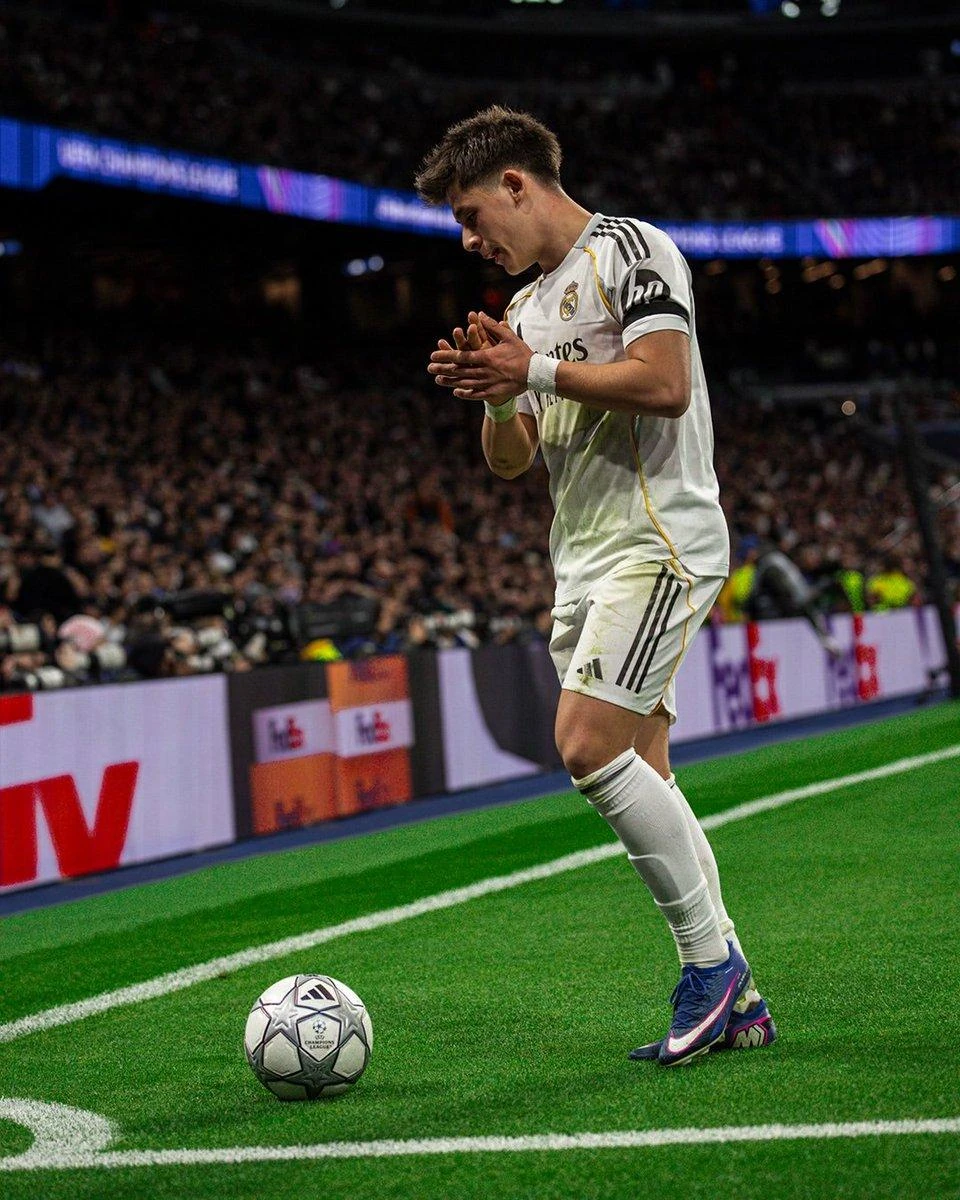
Three goals. Three corner kicks. Seven minutes.
It was an extraordinary demonstration of Madrid's attacking depth, particularly considering two of the scorers had entered from the bench.
But there are two separate conclusions to draw from this game.
The first is that Mourinho deserves credit for his substitutions and for continuing to push for a result when Madrid appeared beaten.
The second is that the comeback shouldn't erase what happened before it.
Madrid continues to have enormous attacking talent, but it still struggles to control games against well-organized opponents. Roma repeatedly found space in midfield and made Madrid's defensive transition look alarmingly disorganized.
Winning a game on three late corner kicks is impressive. Relying on that kind of comeback against opponents who have controlled the previous 80 minutes is not a sustainable plan.
Roma deserves considerable credit for the performance, but its inability to defend the most basic set-piece situations late in the match was inexcusable. Once Madrid began mounting pressure, Gasperini's side simply couldn't withstand it.
Madrid leaves Rome with three points and another memorable Champions League comeback.
Roma leaves with nothing despite playing well enough to win.
Both teams should have plenty to think about after this one.
Champions League Team of the Round
The Team of the Round lines up in an aggressive 3-2-4-1, although some defensive balance has been sacrificed to accommodate the attacking performances.
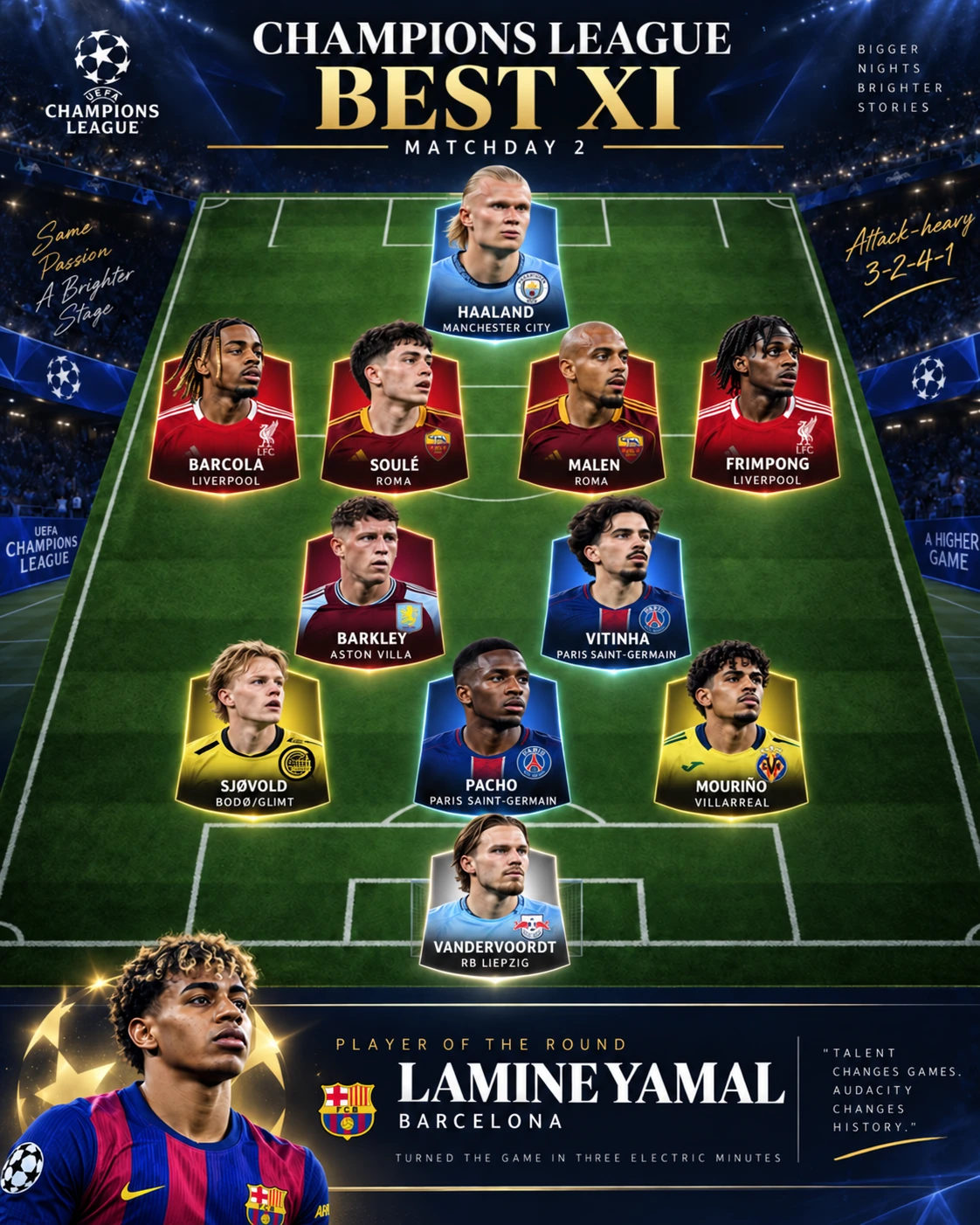
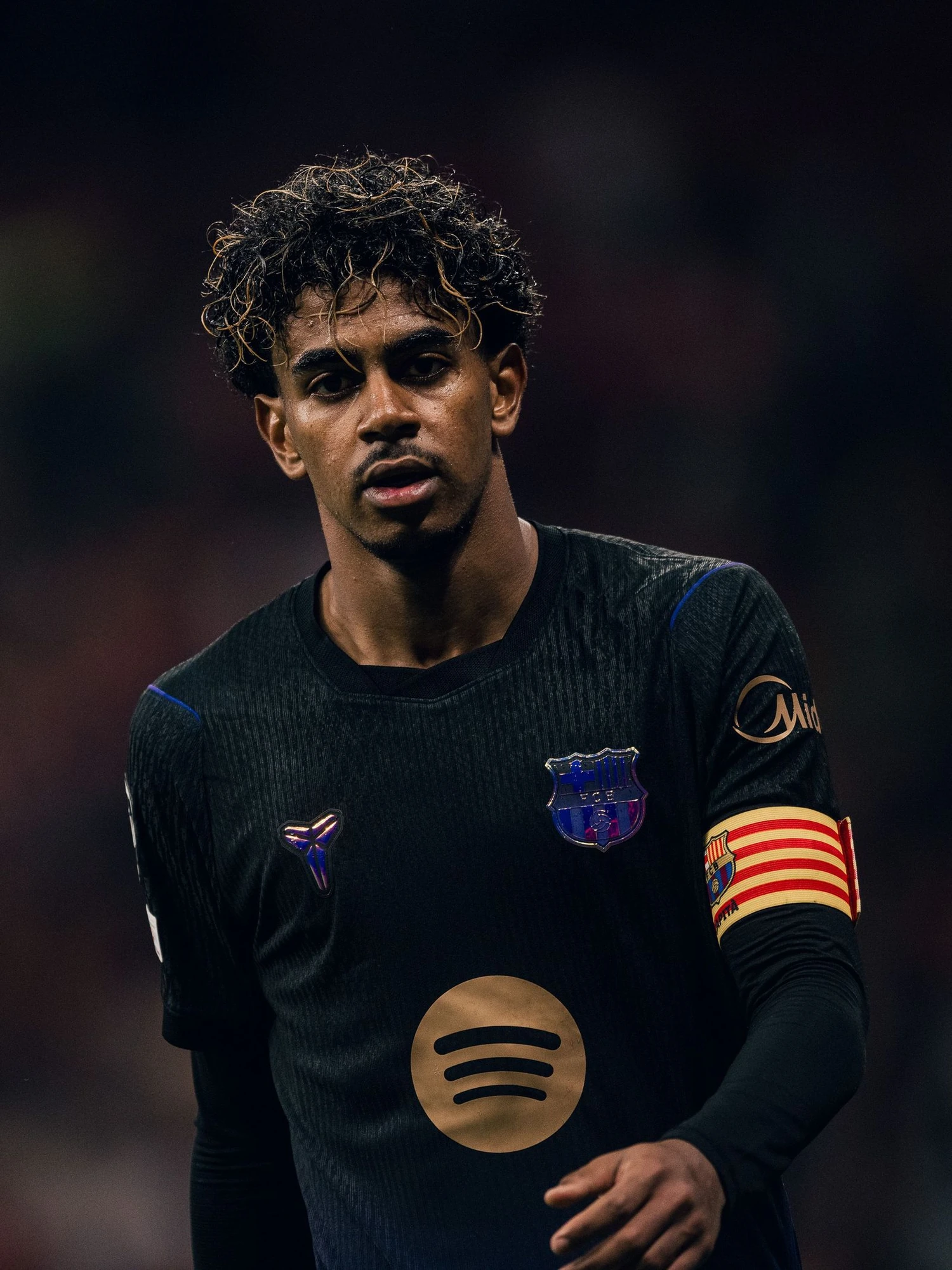
Player of the Round: Lamine Yamal, Barcelona
There were players with better raw statistical production, including hat tricks from Bradley Barcola and Nicolò Tresoldi. But Yamal gets the award because of the quality and timing of his contributions against Galatasaray.
Barcelona was in a competitive road game against a dangerous opponent. Yamal created two goals in three minutes, effectively ending the contest.
He created six chances throughout the game, with another big chance aside from the two that were converted. Yamal finished with the most shots and the most touches in the opponents box in the game.
Barcelona has developed an attack full of players capable of scoring, but Yamal is the one who contorts the defense and makes everyone else more dangerous.
Goalkeeper: Maarten Vandevoordt, RB Leipzig
Vandevoordt produced the most important goalkeeping intervention of the round in Leipzig's 1-0 victory over PSV.
In the 19th minute, Ivan Perišić stepped up to take a penalty and attempted to beat the Belgian down the middle. Vandevoordt initially dove in the opposite direction but somehow managed to stop the shot with his trailing foot.
Leipzig didn't find its winner until Brajan Gruda scored in the 75th minute. Without Vandevoordt's early save, the entire game could have unfolded differently.
A penalty save that preserves a clean sheet in a narrow Champions League victory is more than enough for this selection.
Defender: Santiago Mouriño, Villarreal
Villarreal's 3-1 comeback victory over Napoli was one of the more impressive results of the round, and Mouriño played a significant role at both ends of the field.
With Villarreal trailing early, the defender pushed forward and scored the go-ahead goal in the 26th minute, driving a shot from outside the penalty area into the bottom corner.
He then helped contain Napoli's attack as Villarreal protected the lead.
Scoring the decisive goal and delivering a strong defensive performance against a quality Serie A opponent made Mouriño an easy selection.
Defender: Willian Pacho, Paris Saint-Germain
Pacho was arguably PSG's best defender against Manchester City, which is a slightly unusual distinction considering Erling Haaland scored twice.
But the Ecuadorian produced several important defensive interventions, including an excellent early challenge to prevent Haaland from shooting.
His anticipation and positioning became especially valuable as City took control of the second half. He couldn't prevent every opportunity, but repeatedly recognized danger early enough to disrupt attacks before they reached Haaland.
Holding up under that kind of sustained second-half pressure against one of Europe's most dangerous strikers earns him a place in the team.
Defender: Fredrik Sjøvold, Bodø/Glimt
Bodø/Glimt produced one of the biggest upsets of the round with a 1-0 victory over Borussia Dortmund, and Sjøvold scored the only goal.
The Norwegian right back finished a combination with Sondre Auklend in the 52nd minute and then helped protect the advantage as Dortmund introduced additional attacking players.
His contribution was impressive because it combined attacking ambition with defensive discipline.
A match-winning goal and a clean sheet against Dortmund carries considerably more weight than an impressive statistical performance against one of the tournament's weaker opponents.
Central Midfield: Ross Barkley, Aston Villa
Aston Villa demolished Fenerbahçe 6-0, with Barkley contributing two second-half goals.
He converted a penalty in the 67th minute and added another only four minutes later, putting the finishing touches on an emphatic Villa performance.
The caveat is that Villa was already leading 3-0 before Barkley scored. Neither goal was particularly decisive, and Fenerbahçe offered little resistance by the closing stages.
Still, Barkley was influential connecting possession through midfield and supporting Villa's attacks throughout the game. Two goals from a midfielder in the Champions League is outstanding production regardless of the opposition.
Central Midfield: Vitinha, Paris Saint-Germain
Vitinha may have delivered the best complete midfield performance of the entire round.
For much of the first half against Manchester City, he was the player who made PSG's attacking superiority possible. His movement provided passing options against City's press, and his ability to receive under pressure helped PSG move forward before City could organize defensively.
He also scored PSG's third goal in the 32nd minute, finishing an excellent passing sequence.
City's second-half improvement reduced his influence, but his opening performance against one of Europe's strongest midfields was exceptional.
Vitinha was UEFA's Player of the Match and is probably the strongest alternative to Yamal for Player of the Round.
Right Wing: Jeremie Frimpong, Liverpool
Liverpool's 6-3 victory at LASK was an attacking spectacle, with Frimpong contributing one goal and two assists from his right-sided role.
He scored Liverpool's fourth goal with a header shortly after halftime, then set up Bradley Barcola to complete his hat trick before providing another assist for Lewis Koumas.
Frimpong is nominally a fullback or wingback, but his attacking movement frequently resembles that of an additional winger.
Liverpool continually found opportunities to release him into space beyond the opposing defense, and he took full advantage.
The quality of the opponent and Liverpool's defensive struggles prevent the performance from ranking among the very best of the round. But three direct goal contributions from that position are difficult to ignore.
Attacking Midfield: Matías Soulé, Roma
Roma's devastating collapse against Madrid shouldn't diminish Soulé's excellent individual performance.
The Argentine recorded two assists in just 63 minutes, first setting up Marten de Roon's opening goal and later producing an outstanding through ball for Donyell Malen's second.
His movement was particularly impressive.
Soulé repeatedly found space between Madrid's midfield and defense, received on the turn and recognized opportunities to release runners before the Madrid back line could adjust.
Roma was considerably less dangerous after he was substituted, although its late collapse was primarily a defensive failure.
For most of the hour he spent on the field, Soulé was among the best players in the game.
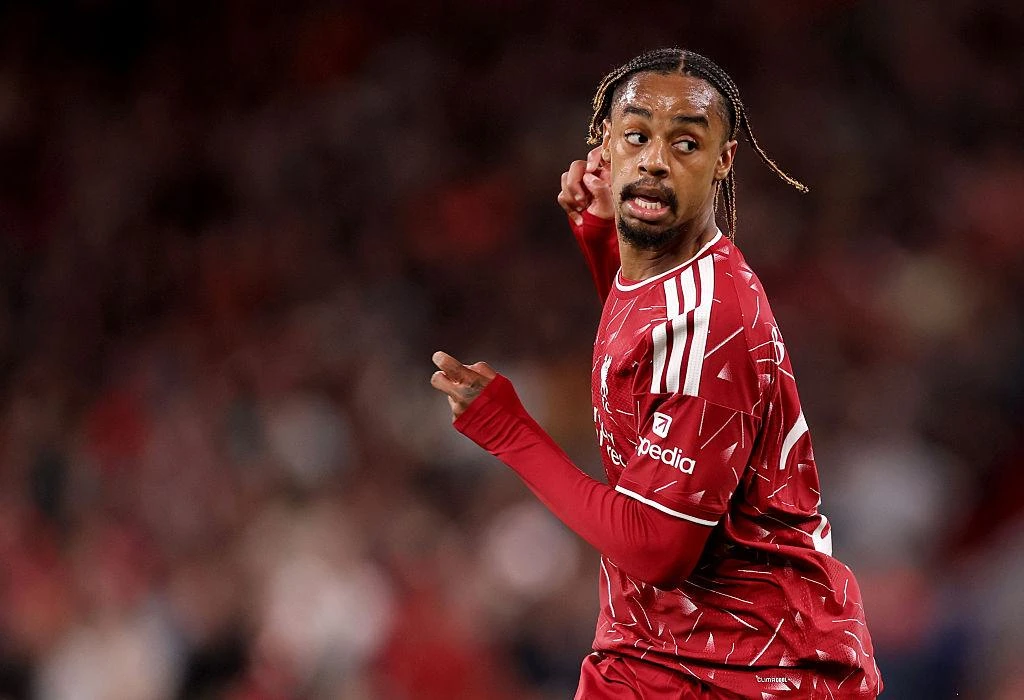
Left Wing: Bradley Barcola, Liverpool
Barcola finally announced himself at Liverpool with a hat trick against LASK.
The French winger arrived from PSG during the summer with enormous expectations but had failed to register a goal contribution in his first six appearances.
He emphatically ended that drought with goals in the 24th, 37th and 66th minutes.
What stood out was how effectively Liverpool created space for him to attack the penalty area. Rather than receiving in static positions and needing to beat multiple defenders, Barcola repeatedly found himself running onto passes with the defense already scrambling.
LASK was a relatively weak opponent, but a hat trick is still an outstanding performance, particularly for a player who badly needed to regain some confidence.
Forward: Donyell Malen, Roma
For most of Roma's match against Real Madrid, Malen was the most dangerous player on the field.
He scored twice in seven minutes early in the second half, repeatedly exploiting the space behind Madrid's defensive line.
His timing was excellent, especially on the second goal when he recognized Soulé's opportunity to play forward and immediately accelerated behind the defense.
Malen wasn't simply finishing chances created by others. His movement stretched Madrid's back line and created the openings that Roma's midfielders could exploit.
The fact that Roma eventually lost should not erase two excellent goals and a performance that caused enormous problems for one of Europe's most talented teams.
Striker: Erling Haaland, Manchester City
Haaland did just about everything he could to rescue Manchester City against PSG.
He scored twice, hit the crossbar and forced an outstanding late save from Matvey Safonov that prevented him from completing a hat trick.
His movement became increasingly dangerous as City started providing better service after halftime. He consistently found opportunities between PSG's center backs and attacked deliveries into the penalty area with purpose.
His two goals also took him to 60 in just 60 Champions League appearances, making him the fastest player to reach that milestone.
PSG's early advantage certainly influenced the second half, but that doesn't diminish the difficulty of scoring twice against the defending European champions.
City lost because of its first-half defensive collapse, not because of anything Haaland failed to do.