The first USMNT roster of the new cycle arrived this week, headlined by a large youth movement. However, several veterans left a reminder they can still perform in the final weekend before the four-game camp.
Johnny Cardoso produced the biggest club breakthrough, going from a player slowly working his way back from ankle surgery to starting consecutive matches for Atlético Madrid. He was excellent in a 4-0 win over Osasuna, then played the entire Madrid derby as Atlético beat Real Madrid 2-1.
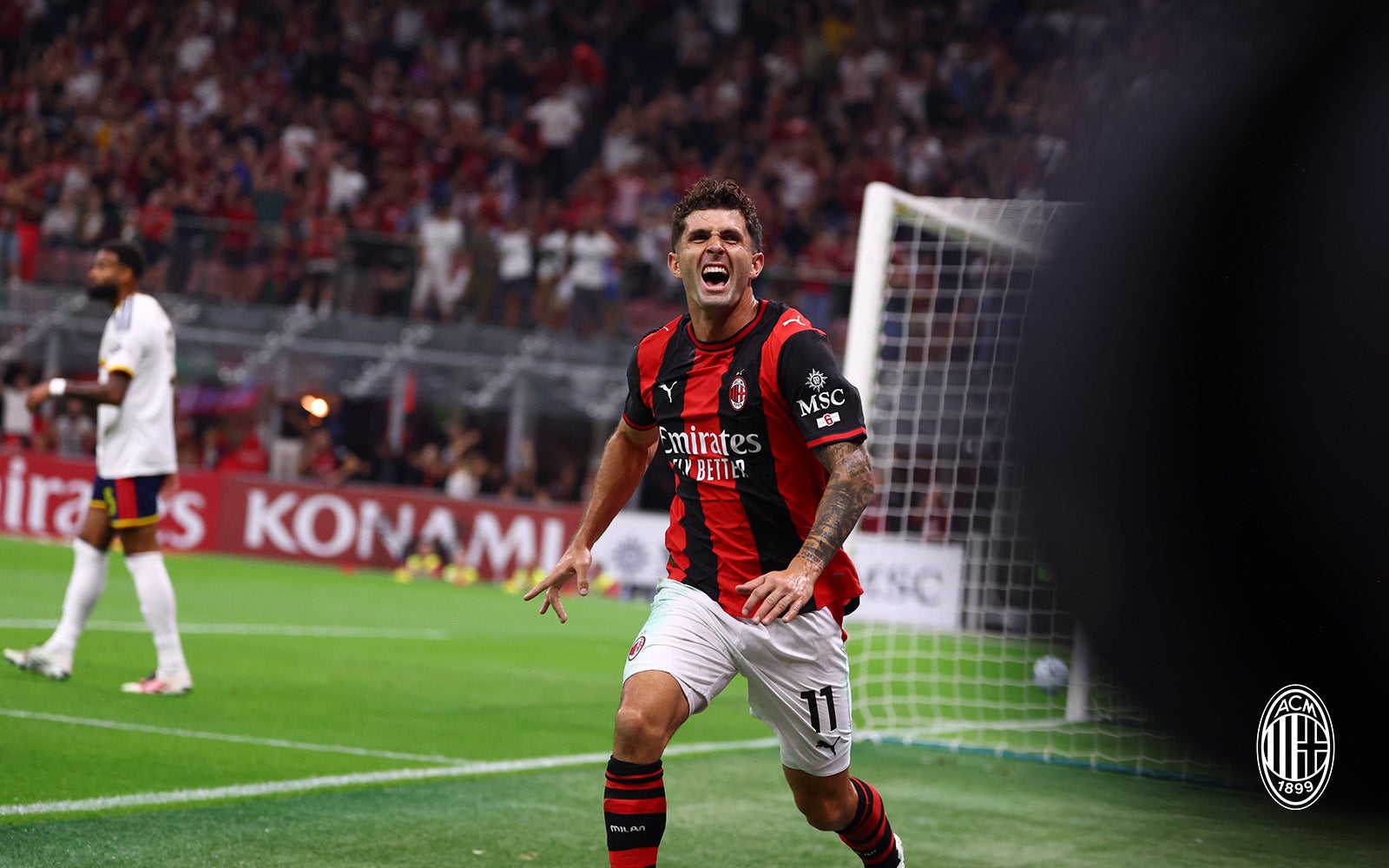
Christian Pulisic also took another significant step in his return at Milan. After changing the game off the bench last weekend, he provided another useful substitute appearance in Europe before making his first Milan start since April and scoring in a 3-0 win over Lecce.
Then there are the teenagers.
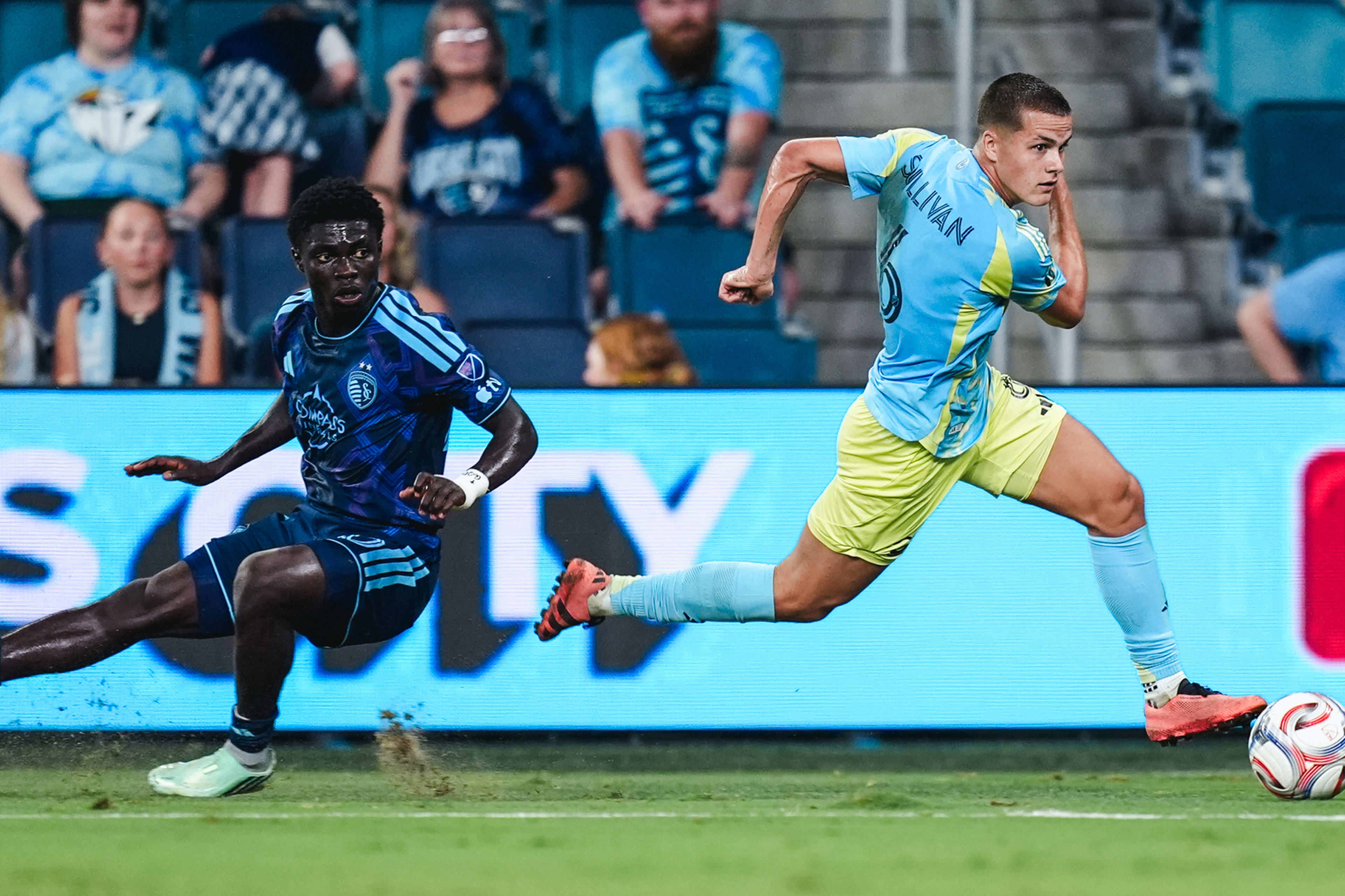
Cavan Sullivan followed his first USMNT call-up by extending his ridiculous run of MLS production with a goal and an “assist” in Philadelphia’s 4-3 comeback at Sporting Kansas City. Peyton Miller celebrated his own first senior call-up by scoring twice for New England, including the stoppage-time winner against Orlando City.
Weston McKennie returned from injury with two starts and an assist for Juventus, Alex Freeman played another 180 La Liga minutes and Chris Richards scored in Europe before helping Crystal Palace keep a Premier League clean sheet.
The negatives were mostly injuries and depth-chart concerns. Ricardo Pepi was restored to PSV’s starting lineup, only to leave injured after about ten minutes. Gianluca Busio’s hamstring injury has now been confirmed as significant, although Venezia has not announced a return timetable. Tim Weah had another difficult European performance and then compounded it by getting sent off against PSG.
Stock Watch
Up
- Johnny Cardoso
- Christian Pulisic
- Cavan Sullivan
- Peyton Miller
- Weston McKennie
- Alex Freeman
- Chris Richards
Mixed
- Antonee Robinson
- Yunus Musah
- Malik Tillman
- Tanner Tessmann
- Gio Reyna
- Joe Scally
- Sergiño Dest
Concern
- Tim Weah
- Ricardo Pepi
- Gianluca Busio
- Brenden Aaronson
- Benjamin Cremaschi
- Lennard Maloney
Encouraging role developments: Tyler Adams, Bryan Reynolds, Cole Campbell and Folarin Balogun
Up: Johnny Cardoso, Christian Pulisic, Cavan Sullivan, Peyton Miller, Alex Freeman, Chris Richards and Weston McKennie.
Cardoso is the biggest mover because his situation looks fundamentally different than it did a week ago. He played 175 minutes across two Atlético victories and was excellent against Osasuna before Diego Simeone trusted him for the full derby against Real Madrid. Pulisic went from cautiously managed substitute to starter and goalscorer. Sullivan and Miller both celebrated their first USMNT call-ups with major MLS performances. Freeman has now completed three straight La Liga starts after barely playing in August. Richards scored in the Europa League and followed it with a Premier League clean sheet. McKennie returned from injury and immediately reminded Juventus why coaches keep finding places for him.
Encouraging role developments: Tyler Adams, Bryan Reynolds, Cole Campbell and Folarin Balogun.
Adams has started four straight games across competitions. Reynolds started for Rennes in Europe and received public praise from Franck Haise, while Campbell has started every Bundesliga match for Elversberg. Balogun finally returned to Monaco’s squad and got competitive minutes.
Mixed: Antonee Robinson, Yunus Musah, Malik Tillman, Tanner Tessmann, Gio Reyna, Joe Scally and Sergiño Dest.
There are positives throughout this group. Robinson played another 180 useful minutes and appears increasingly comfortable in Fulham’s new setup. Tessmann played a full European match even though he remains outside Lyon’s preferred league XI. Reyna continues starting every week, which should not be dismissed after the last few years of his career.
The performances were less encouraging. Musah struggled against Benfica, Tillman rotated out of Leverkusen’s Bundesliga XI and Reyna was again relatively anonymous for Strasbourg. Dest played 90 in PSV’s loss at Twente without having his usual attacking influence.
Concern: Tim Weah, Ricardo Pepi, Gianluca Busio, Brenden Aaronson, Benjamin Cremaschi and Lennard Maloney.
Pepi and Busio belong here because of injuries rather than performance. Pepi lasted only about ten minutes after returning to PSV’s starting lineup, while Busio has begun rehabilitation for a significant hamstring injury.
The others have club-role or form issues. Aaronson remains on the Leeds bench. Cremaschi was an unused substitute twice for Parma. Maloney is barely playing for Mainz. Weah’s situation is more troubling because he is playing regularly but currently struggling.
One other USMNT development deserves mention: Noahkai Banks has publicly chosen to pursue the German national-team pathway. The administrative process is not necessarily complete, but for practical purposes the US should begin planning without him.
Spotlight Players
 Christian Pulisic, AC Milan
This looked much more like the effective early-season Pulisic from last year.
Pulisic started the week on the bench against Benfica in the Europa League, with Milan producing a poor first half and entering halftime behind. He came on for the second 45 and was immediately one of the players who gave the attack more life.
Sky Italia gave him a 6.5, one of Milan’s better grades despite the eventual 2-0 defeat. The performance continued the trend from last weekend at Lazio. Milan simply looks quicker and more dangerous when Pulisic is receiving between the lines and attacking the box rather than leaving all of its creativity to players receiving in front of the defense.
Against Lecce at the weekend, Rúben Amorim gave Pulisic his first Milan start since April, using him in the attacking-midfield role behind the forward, and he responded with his first goal of the season in a 3-0 win.
The Italian reaction was extremely positive. Gazzetta dello Sport gave him a 7.5, Milan’s highest rating, after spending the days before the match making the argument that when healthy, Pulisic gives Milan a natural attacking midfielder capable of receiving in the half-spaces, turning and immediately making something happen.
Pulisic is not a traditional No. 10 who needs every possession to run through him. He is dangerous because he can connect the buildup, move away from the ball and then suddenly appear around the penalty area. He gives Milan another player who can turn a normal possession into a shot with one touch or one run.
A few weeks ago there was at least a reasonable question about how long it would take Pulisic to work his way back into Amorim’s preferred group after his injury problems and disrupted preseason.
That question appears to be answering itself.
He was not included in the upcoming USMNT camp, so he will have a few uninterrupted weeks to keep building his fitness and reclaiming his club role.
Based on the last three halves he has played, Milan is going to have a difficult time taking him back out.
 Cavan Sullivan, Philadelphia Union
Apparently getting called into the senior national team was not enough excitement for one week.
Sullivan received his first USMNT call-up Thursday, then started Saturday as Philadelphia went to Kansas City riding a ten-game unbeaten streak.
Sixteen minutes into the game, that streak looked dead.
Sporting scored three times before the Union had really settled into the match and carried a 3-0 lead into halftime. Philadelphia eventually responded with one of the craziest stretches of soccer you will see all season, scoring four times between the 64th and 73rd minutes to win 4-3.
Sullivan was right in the middle of it.
On the first goal, he picked up possession in the attacking third and dribbled through the Kansas City defense before finding Frankie Westfield on the right. Westfield’s shot was redirected by Bruno Damiani to begin the comeback.
Two minutes later Sullivan scored himself. Danley Jean Jacques drove into the box and cut the ball back for Sullivan, who finished to make it 3-2. Philadelphia was level another two minutes after that and eventually found the winner from a set piece.
Sullivan finished with the goal and assist before leaving in the 84th minute. He now has a goal contribution in eight consecutive MLS matches. The assist was his 12th of the season, setting an MLS single-season record for a teenager, while his 19 total goal contributions are already tied for second-most by a teenager in league history.
A month ago, the argument for Sullivan revolved around flashes. You could point to the first touch, the unusual passing ideas or the ability to beat a defender and imagine where the development might lead. But now he is deciding MLS games every week.
There still needs to be perspective because he is 16 years old and is about to enter his first senior national-team camp. Pochettino and fans can’t treat this first call-up as the be-all-end-all audition to justify the hype. However, the production is very real.
He has been one of the best players in MLS since the World Cup. If he continues at this pace the next question will be how quickly he can get to one of Europe’s big leagues. While he can’t play for Manchester City in England until he turns 18, he could play in one of the other big five leagues on the continent and a move in January would not be out of the question if he keeps it up.
 Johnny Cardoso, Atlético Madrid
This may have been the most important American club week of the season so far.
Cardoso entered September trying to work his way back from ankle surgery and competing with multiple established Atlético midfielders. Through the opening weeks, he was getting scattered substitute minutes and looked much more like depth than a likely starter.
That changed this week, as Cardoso made his first start of the season against Osasuna and played about 85 minutes in Atlético’s 4-0 win. He completed 77 passes at better than 95 percent, had 92 touches and assisted Álex Baena. More importantly, he consistently helped Atlético move through midfield rather than merely playing safe passes sideways.
His defensive value has never been difficult to understand. He reads space well, gives the back line protection and generally does not need to chase the game to influence it. The question at an elite club is whether he can offer enough with the ball that Simeone does not sacrifice possession by playing him.
Against Osasuna, the answer was clearly yes.
Simeone could easily have treated the Osasuna start as rotation and returned to his more established midfield for Real Madrid. Instead, Cardoso started the derby on his 25th birthday and played the entire 90 minutes as Atlético won the heated derby 2-1.
While he had a few nice turns and passes in midfield, his individual performance was not as eye-catching as the Osasuna match. However, the selection itself may have been more meaningful. Simeone trusted him against Real Madrid, one of Atletico’s biggest games of the season.
Cardoso’s ability to stay disciplined centrally also changes the possibilities for the players around him. If he holds his position and protects transitions, more adventurous midfielders can move forward without leaving Atlético completely exposed when possession changes.
One excellent week does not make him an automatic Atlético starter, especially in a midfield with serious competition.
But two starts, an excellent performance and 90 minutes in a derby is no longer a small role development.
Cardoso has forced his way into the conversation.
 Peyton Miller, New England Revolution
Peyton Miller also had a pretty good way of celebrating his first USMNT call-up.
The 18-year-old scored twice as New England beat Orlando City 4-2, giving him goals in consecutive matches and seven for the season.
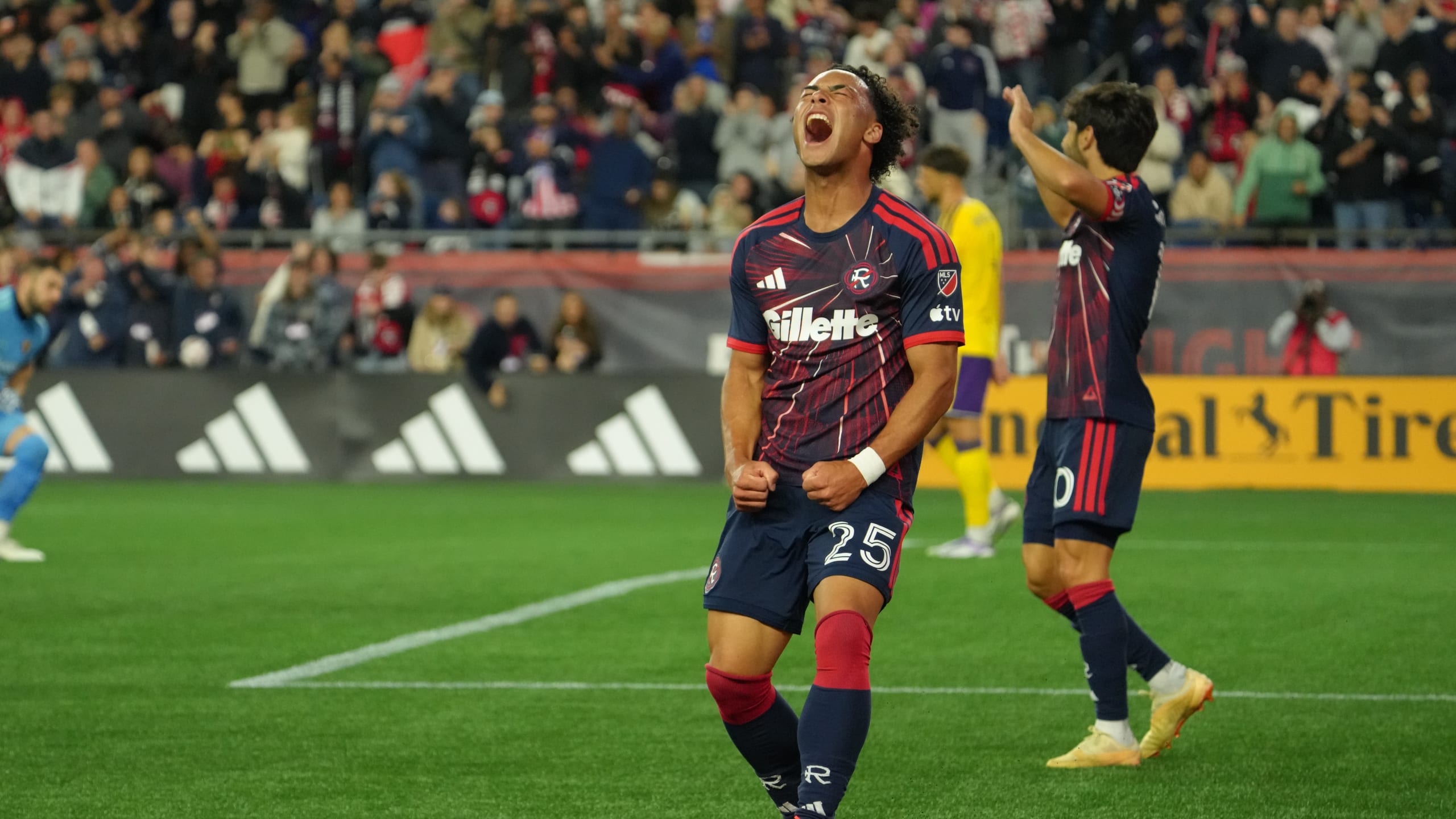
Miller is increasingly looking more like a dangerous attacker than an energetic left back. It will be interesting to see how Pochettino interprets his game and sees his role for the USMNT.
New England deployed him on the wing against Orlando, with Miller rotating between the left and right sides. His direct running caused problems throughout the game, and he nearly scored after only 11 minutes when Carles Gil dropped a pass behind the defense and Miller hit a half-volley just over the bar.
He got the first goal in the 59th minute, as Dor Turgeman turned away from pressure in midfield and slipped a perfectly weighted pass into the space behind Orlando’s defense. Miller exploded into the opening, carried toward goal and calmly rolled the finish into the bottom corner.
That composure was worth noting, as he never looked rushed taking the chance.
There was one significant mistake. Orlando’s late equalizer came after a shot struck Miller’s extended arm in the box, producing the penalty that made it 2-2 in the 88th minute.
Five minutes later, Miller answered it himself.
Ilay Feingold played him through the defensive line and Miller again stayed composed one-on-one, finishing into the corner for his second goal and New England’s 3-2 winner. Carles Gil added another before the final whistle.
It was Miller’s first professional brace and probably his best senior performance.
He finished with six shots, four on target and multiple dangerous deliveries from the wings. He now has seven goals and four assists this season, production that looks especially impressive considering he entered the year primarily viewed as a fullback.
Antonee Robinson remains the established US left back, but there is not an obvious long-term backup. Miller’s ability to play as a conventional fullback, wingback or actual winger means he does not necessarily need to win one specific job to become useful.
At 18, there is plenty of time to figure out what he ultimately becomes.
For now, the important part is that New England keeps putting him in positions to attack and he keeps producing.
Premier League
Tyler Adams, Bournemouth
The individual performances were not spectacular enough to require a long breakdown, but Adams’ club situation continues moving in the right direction.
He started Bournemouth’s European win at Real Sociedad and played 63 minutes before being replaced. He then started again against Liverpool and lasted until the closing minutes.
That makes four consecutive starts across league and Europe.
For Adams, availability and trust are the main stories right now. Bournemouth is again asking him to handle major workloads rather than protecting him with 20-minute substitute appearances.
Bournemouth wants to pressure aggressively, compress the field and attack quickly after regaining possession. Adams does not need to become the team’s primary creator to be valuable in that structure.
He needs to close space, win second balls and move possession quickly after the recovery.
He is doing enough of that to keep starting.
Chris Richards, Crystal Palace
This was Richards’ best week of the season.
He scored in Palace’s 4-0 Europa League win over Lech Poznań, getting onto an Adam Wharton corner for Palace’s second goal before leaving later with the match secure.
Then he went 90 in a 0-0 draw at Leeds.
The clean sheet is particularly welcome after several early-season matches where Palace’s aggressive defensive structure put Richards into uncomfortable one-on-one situations in space.
Palace’s coverage also noted his involvement in one of the better late attacking sequences, when his deep delivery reached Daichi Kamada. A Palace-focused rating had him around 7.1, one of the stronger defensive marks.
Add the European goal and it was a very productive week.
Antonee Robinson, Fulham
Robinson played another 180 minutes and continued his rebound from a difficult start to the season.
He helped Fulham beat West Ham 3-2 in the Carabao Cup, with his clever pass helping start the sequence for Fulham’s opening goal.
Robinson then went another 90 against Manchester United and was again active from the left side.
West London Sport gave him a 6, highlighting his lively work on the left and one particularly dangerous first-half sequence; another Fulham-oriented rating put him at 7 and noted how frequently he moved into unusually advanced inside positions.
The most interesting tactical change remains where Fulham is asking him to receive. Earlier in the season, Álvaro Arbeloa frequently moved Robinson into interior areas that seemed to remove some of his greatest strengths while leaving him in awkward positions when Fulham lost the ball.
The recent version looks more coherent.
Robinson is still appearing inside at times, but Fulham is also getting him into advanced positions where he can attack rather than simply asking him to circulate possession.
After the first few weeks, that counts as progress.
Brenden Aaronson, Leeds United
Aaronson remained on the bench and entered around the 68th minute against Crystal Palace.
The cameo did little to change his situation.
Leeds struggled to create much in the scoreless draw, and local analysis was particularly critical of the attacking substitutes’ inability to win physical battles or alter the game.
Aaronson began the season in the starting lineup.
He now needs one of these substitute appearances to actually force Daniel Farke to reconsider the hierarchy.
That has not happened yet.
Zavier Gozo, Crystal Palace
There were no meaningful first-team minutes for Gozo this week.
The important development came elsewhere: he received his first senior USMNT call-up.
For a 19-year-old who only moved from Real Salt Lake to Crystal Palace in August and has already made Premier League appearances, that is a pretty quick ascent.
La Liga
Alex Freeman, Villarreal
Remember when Freeman barely played in August?
That problem has disappeared.
Freeman played the entire 90 minutes against Málaga and followed it with another full match against Levante. Villarreal won both games 3-1.
He has gone from occasional substitute to a player Iñigo Pérez is repeatedly putting into competitive league lineups.
There is still a difference between getting several starts during a busy stretch and permanently owning the position.
But Freeman has now moved beyond the developmental stage where every appearance itself is the news.
The next question is how good he can become with consistent La Liga minutes.
Serie A
Yunus Musah, AC Milan
Musah’s momentum slowed a little this week.
He started and went 90 against Benfica in the Europa League, but the performance was less convincing than some of his recent league appearances. Milan struggled to control midfield for long periods and Musah’s athleticism did not translate into enough clean possession or progression.
Sky Italia gave him a 5.5.
Amorim then returned to more of his preferred league group against Lecce, dropping Musah to the bench. He received only a few late minutes in the 3-0 win.
Musah has already shown enough this season to remain heavily involved. But the last couple weeks have also made the hierarchy a little clearer. He is an important rotation player, not yet an automatic starter.
Weston McKennie, Juventus
McKennie returned from injury and immediately became useful again before anyone had time to figure out exactly what position he was playing.
He started Juventus’ Europa League match against NEC, wore the captain’s armband and contributed an assist.
Italian coverage afterward was extremely positive about his tactical importance, emphasizing how his movement gives Luciano Spalletti balance regardless of whether McKennie begins as a midfielder, wide player or something in between.
Then he started again against Atalanta and played roughly 85 minutes, nearly scoring with a header and again receiving good reviews.
That is around 145 minutes across two starts immediately after returning from injury.
There have been points over the last several years where McKennie’s Juventus future appeared uncertain. Coaches keep arriving at the same conclusion once the games begin.
He makes their teams better.
Benjamin Cremaschi, Parma
Cremaschi was an unused substitute against both Como and Genoa.
Unlike earlier in his Parma career, there is no injury explanation.
He simply isn’t playing.
That is now a genuine depth-chart concern.
Gianluca Busio, Venezia
Venezia confirmed Busio suffered a right hamstring injury with intratendinous involvement and has begun rehabilitation.
The important detail is what the club did not confirm.
There is no official two-month return timetable yet.
That distinction matters because Busio had started the season extremely well, captaining Venezia and functioning as its primary midfield organizer. He was beginning to build a legitimate argument for another USMNT opportunity.
Now that process is interrupted again.
Bundesliga
Malik Tillman, Bayer Leverkusen
Tillman started Leverkusen’s 2-0 Europa League win over Celje and played 61 minutes, then was an unused substitute for the Bundesliga victory over RB Leipzig.
That isn’t necessarily bad as Leverkusen has a congested schedule and clearly still considers Tillman part of the meaningful rotation.
However, his early season performances have not been nearly up to the standard he set at the World Cup in a US shirt.
Joe Scally, Borussia Mönchengladbach
Scally played about 76 minutes in Gladbach’s 4-3 loss to Mainz.
Allowing another four goals is obviously not good, but this is one of those cases where team performance and individual performance need to be separated.
Gladbach’s defensive structure remains a mess. Scally was not singled out by the local coverage as the primary problem, and his individual evaluation was closer to average than disastrous.
The encouraging part is that he remains back in the lineup after appearing headed for the exit only a month ago.
Noahkai Banks, Augsburg
Banks played again as Augsburg blew a 2-0 lead and lost 3-2 to Werder Bremen.
The performance itself was mostly a collective collapse. Augsburg stopped relieving pressure, became pinned near its own box and eventually cracked.
The bigger story has nothing to do with Augsburg.
Banks publicly chose to pursue Germany internationally and has joined the German U21 setup.
After playing for the US in a youth World Cup, a switch back to Germany would mean the end of any chance he plays for the US. It seems that is where his heart is.
Time will tell if he’s ever good enough to make the German senior team, but it is a loss for the US.
Mathis Albert, Borussia Dortmund
Albert did not receive meaningful Dortmund minutes this week.
His trajectory remains more encouraging than that sentence makes it sound.
The 17-year-old is now firmly around Dortmund’s senior group and received his first USMNT call-up.
Eventually he needs competitive minutes.
For now, training every day with Dortmund’s first team while entering a senior national-team environment is a pretty good developmental place to be.
Cole Campbell, Elversberg
Campbell started again and played about 87 minutes against Schalke.
He did not record a goal or assist, but he created one of Elversberg’s best late chances with a setup that probably should have become the winner.
Campbell has started all four Bundesliga games this season. For a player whose problem at Dortmund was never talent but finding enough senior opportunities to prove it, becoming an every-week Bundesliga starter is exactly what he needed.
Lennard Maloney, Mainz
Maloney entered the Gladbach match in second-half stoppage time.
At 26, he is not a developmental prospect being slowly introduced to this level.
He simply isn’t playing enough.
Ligue 1
Folarin Balogun, Monaco
Finally, some actual soccer.
Balogun returned to Monaco’s matchday squad for the first time this season and entered around the 76th minute against Lens.
He even created one decent moment late, forcing a save with a left-footed shot.
Paris Brunner’s strong start means Balogun is not walking straight back into the starting lineup.
But after weeks where the discussion revolved around a failed Everton move, his knee and whether Monaco even planned to use him, 15 competitive minutes count as progress.
Tim Weah, Marseille
This was another bad week.
Weah played against Beşiktaş in Europe and received poor French reviews despite some decent first-half combinations. The larger problem remained his defending. Marseille’s right side became increasingly vulnerable when Beşiktaş raised the tempo after halftime.
Then came PSG.
Weah picked up an early yellow card and was sent off after a second booking in the 77th minute as Marseille lost 2-1.
One dismissal can happen.
The concern is that the red card followed several games where local coverage has already questioned his defensive execution and whether his current fullback role is actually the best use of his skill set.
Weah remains trusted enough to start and even captain Marseille.
Right now his performances are not matching that status.
Tanner Tessmann, Lyon
Tessmann played the entire 90 minutes as Lyon beat Anderlecht 2-1 in the Europa League, then came off the bench for the final ten minutes or so of the 4-0 league win over Rennes.
The European performance was solid rather than excellent.
The more important context is the role.
Tessmann currently appears outside Lyon’s preferred league midfield, but he is not buried. Playing 90 in Europe demonstrates that the coaching staff still views him as a serious part of the rotation.
Gio Reyna, Strasbourg
The good news continues to be availability.
Reyna started again against Paris FC and played about 67 minutes.
That makes another consecutive start for a player whose club career has spent far too much time being discussed in terms of injuries and unused substitute appearances.
The actual performance was very quiet. Strasbourg struggled as a team, producing very little attacking danger, as Paris FC had most of the ball. So Reyna was hardly the only problem, but he also failed to exert much individual influence.
Simply starting every week was a meaningful victory in August.
If that continues, the next question is whether Reyna can consistently become one of Strasbourg’s most influential attackers.
Mark McKenzie, Toulouse
McKenzie went 90 in Toulouse’s 3-2 win over Le Havre.
The local evaluation was broadly solid. He handled most of his defensive responsibilities and provided a steady presence in the middle.
It wasn’t spotless.
On Le Havre’s second goal, the attacker was able to get in front of McKenzie for the initial header before the rebound was finished.
Overall, this was closer to a normal dependable McKenzie performance than anything that changes his national-team standing.
Bryan Reynolds, Rennes
Reynolds had a legitimately encouraging week.
He started Rennes’ Europa League match against Sturm Graz and played 80 minutes, repeatedly getting forward from the right side during a game Rennes largely controlled.
The best development came afterward.
Franck Haise publicly called it a very good performance and made clear that the competition at the position remains open.
That matters because Reynolds had appeared to be falling into a clear backup role early in the season.
He has not won the job.
He has at least reopened the argument.
Eredivisie
Ricardo Pepi, PSV
This went from encouraging to concerning in about ten minutes.
Peter Bosz restored Pepi to PSV’s starting lineup against Twente, a positive development after recent questions about the striker hierarchy.
Then Pepi got hurt.
He had to leave after roughly nine or ten minutes into the game. As of the end of the weekend, there was not yet a firm public diagnosis or return timetable.
That makes health the only useful Pepi discussion right now.
The fact Bosz started him was encouraging.
Everything after that can wait until PSV knows how long he will be out.
Sergiño Dest, PSV
Dest played the full match in PSV’s 3-2 loss at Twente.
Like most of the PSV defense, he had a poor afternoon and never found the territorial control that normally allows him to become such an unusual attacking weapon from right back.
One bad match does not change his broader start to the season.
Dest remains firmly established and has been one of the best-performing Americans in Europe through the opening month.
This just wasn’t one of those performances.